Retail as a Studio: A Special Project by Pyaterochka and M&M’s
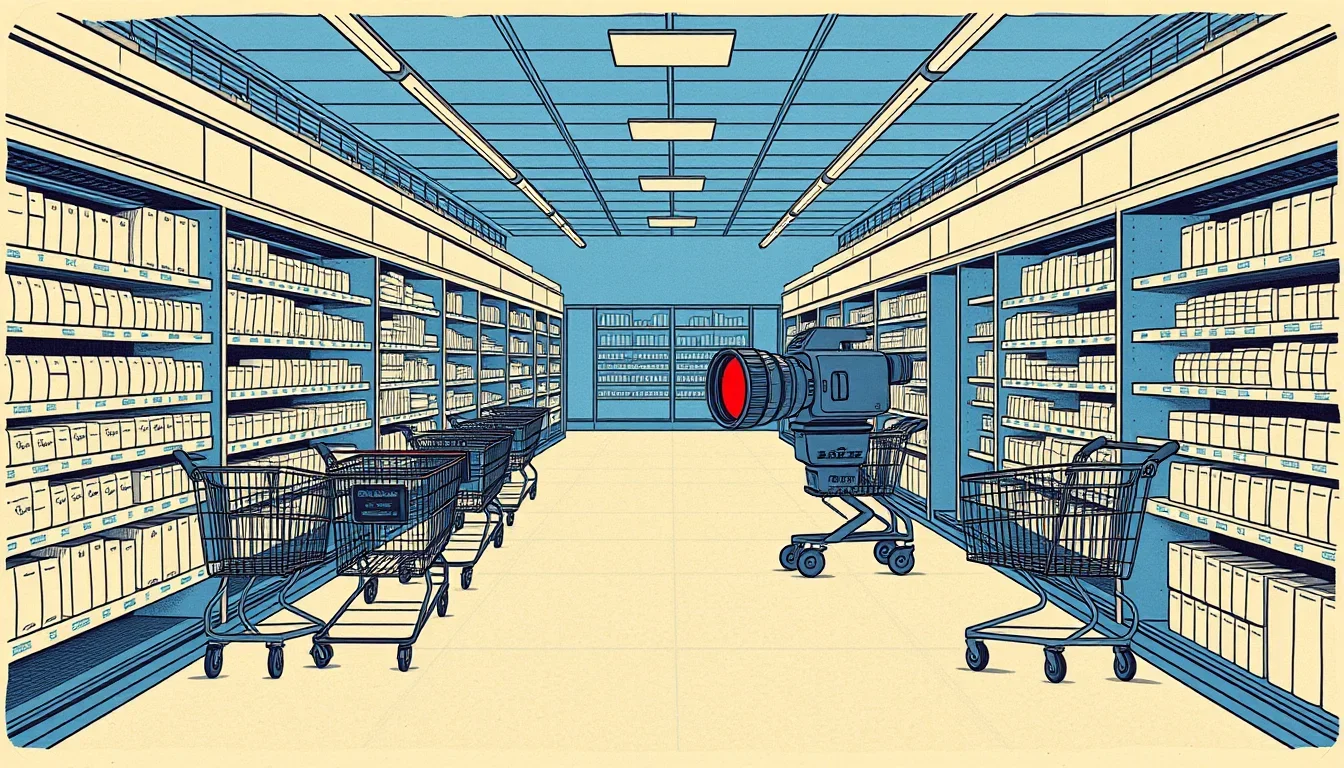
The retail chain Pyaterochka, in collaboration with the brand M&M’s, conducted a large-scale marketing experiment, transforming an ordinary supermarket into a full-fledged filming location for bloggers. This case clearly demonstrates how the shift from direct advertising integrations to the format of emotional retail and co-creation significantly increases the engagement of young audiences. In this article, we will analyze how working with UGC (user-generated content) and thoughtful design of the user experience are changing modern brand marketing.
What Was Discovered: Retail as a Creative Studio
According to the publication Cossa.ru, on October 1st, one of the chain’s Moscow stores was temporarily transformed into a creative space. Over 100 bloggers and content creators participated in the event, including Masha Pak, Katya Tyurina, Katya Spivak, Ravil Iskhakov, and Denis Salmanov.
Instead of promoting according to a strict, pre-defined script, the brand provided influencers with complete freedom of expression and professional filming infrastructure.
Project Infrastructure
- Professional Equipment: GlamBot robotic camera for slow-motion shots, an isolated zone for ASMR content, specialized studio lighting.
- Interactive Decorations: checkout areas with a live DJ set, branded shopping carts with M&M’s, volumetric optical illusions, and photo zones.
- Support Team: professional stylists and makeup artists to create unique visual looks for participants.
How Much to Believe It: Case Analytics
The presented material is a descriptive marketing case study (field case study), not an academic controlled study. All data is based on the actual results of the offline event conducted.
A limitation of this method is the lack of publicly available precise quantitative metrics, such as CTR, ROI, total social media reach, and overall sales dynamics after the promotion. However, the case clearly reflects the global trend towards organic UGC, where marketing value is created through the natural interaction of creators with the brand’s physical location.
What This Means for Advertising and Perception Psychology
Young audiences (Gen Z and Millennials) have an extremely high level of banner blindness and instantly recognize even native, but imposed, advertising. Giving a blogger a ready-made script means guaranteeing a low response and loss of audience trust.
Genuine engagement arises when a brand provides the audience with resources to realize their own ideas, rather than forcing them to broadcast someone else’s message.
From the perspective of visual perception and experience design, the familiar retail space transforms into an emotional brand «trailer». The customer begins to associate their everyday local store not only with routine household purchases but also with a bright creative experience.

How to Apply: Step-by-Step Instructions for Marketers
To successfully adapt the approach of emotional retail and interactive visuals in your advertising campaigns, follow these steps:
- Transform Physical Space: Add contrasting visual accents or interactive elements to points of sale that evoke a natural desire to take photos or videos.
- Change the Approach to Working with Influencers:
Parameter Traditional Approach (Before) Co-creation Approach (Now) Technical Brief Strict script, reading from paper. Freedom to choose the plot and presentation. Demonstration Mandatory product display by the 5th second. Product as natural props. Location Blogger’s home environment. Unique branded space. - Engage Different Sensory Channels: use sensory marketing (ASMR sounds), tactile zones, and specialized dynamic lighting to create complex and attractive visual content.
- Integrate the Product as a Prop: the product should become an organic part of the installation, not an alien advertising banner.
Frequently Asked Questions
What is emotional retail?
This is a modern sales concept where a retail outlet focuses not only on completing transactions but also on providing the customer with a positive sensory, emotional, and aesthetic experience within the store space.
Why should a brand give bloggers complete freedom on camera?
Creative freedom allows for the complete preservation of the author’s individual style and tone of communication. As a result, the created content looks natural to subscribers, generates much more trust, and ensures a high level of organic engagement.
Conclusion
The Pyaterochka and M&M’s case clearly shows: to attract the attention of today’s demanding audience, brands need to design not just banal advertising layouts, but a complete visual and emotional experience. Choosing the right psychological triggers and accurately understanding your customers’ behavior helps build long-term product loyalty.
Want to know exactly how your audience perceives visual solutions, colors, and creatives? You can calculate the optimal parameters for presenting advertising material in the specialized RGB-Analytica service.
Source Cossa ↗