Psychology of Meaning: How Spirituality Reduces the Risk of Relapse
Psychology of meaning and conscious consumption are becoming key factors in modern communication, as a sense of higher purpose and belonging to a community can reduce impulsive behavior and the risk of addiction by 18%. For marketing and branding, this is an important signal: the visual aesthetics of belonging and deep meaning engage the audience much more strongly than the banal exploitation of dopamine triggers.
What the research revealed
In a massive 2026 meta-analysis published in the journal JAMA Psychiatry, a group of researchers led by Howard Koch analyzed 55 longitudinal studies covering 540,712 people. It turned out that spiritual or religious involvement is associated with a 13% reduction in the relative risk of substance abuse, and regular attendance at gatherings—by 18%.
In parallel, work by Paul McClure and Lindsey Wilkinson on a sample of 1,711 people showed that participants in recovery programs are 2–3 times more likely to identify themselves as «spiritual but not religious». And a 2020 Cochrane review confirmed: mechanisms of mutual support work more effectively than many standard clinical interventions, shifting a person’s focus from immediate gratification to service and long-term meaning.
How much to believe this
The presented data is based on a meta-analysis of prospective studies with a giant sample of over half a million people, which ensures a high level of statistical reliability. However, the authors emphasize: a correlation has been identified, not a direct cause-and-effect relationship.
Social context—support from the environment, social circles, and stress reduction—makes a significant contribution to the result. Furthermore, 87% of the analyzed effects concerned primary prevention rather than the treatment of already established severe conditions.
What this means for advertising
In the modern visual environment, consumers are overloaded with aggressive dopamine triggers: bright discount banners, countdown timers, and contrasting flashes. Research shows that deep behavioral patterns are activated through completely different visual triggers:
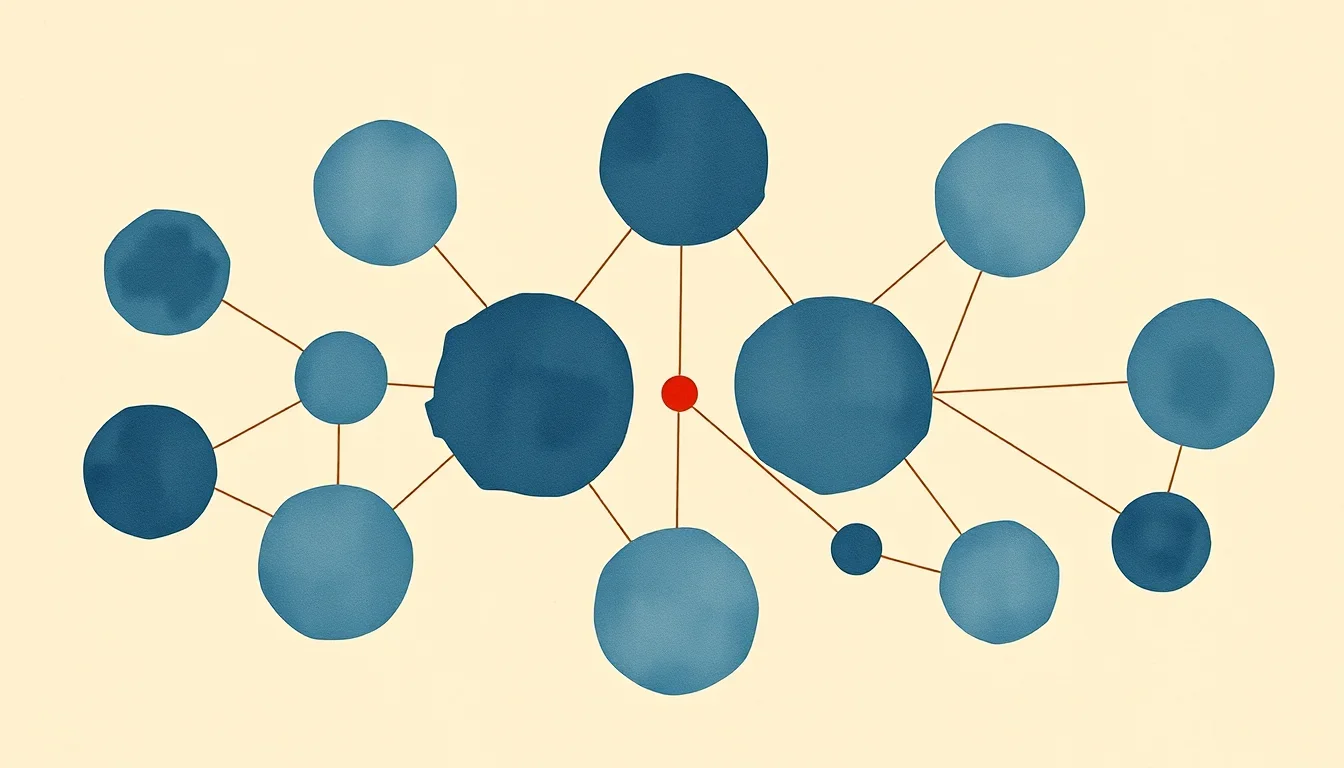
- Trust through belonging: images of support, acceptance, and service form an emotional connection with the brand faster than an emphasis on selfish consumption.
- Reduction of visual stress: a calm, harmonious composition reduces anxiety and switches the user’s attention to a mode of conscious choice.
- Identity instead of profit: the audience chooses brands that share their worldview («being part of something bigger»), which directly increases LTV and loyalty.
How to apply the psychology of meaning in design
To transfer these psychological insights into the design of landing pages, packaging, and advertising creatives, use a structural visual approach:
- Reject visual aggression: replace contrasting, eye-piercing acid shades with a natural, grounded palette (deep blue, terracotta, sage, soft white).
- Use symbols of unity: instead of single isolated objects, show interaction, circles, handshakes, open poses, and visual vectors directed inward.
- Let the space breathe: add enough «air» around the offer—this reduces cognitive load and visual noise.
| Parameter | Aggressive Marketing | Marketing of Meaning |
|---|---|---|
| Color scheme | Acid, contrasting | Natural, pastel |
| Emphasis | Personal benefit | Common goal |
| Composition | Chaotic, overloaded | Harmonious, symmetrical |
Frequently Asked Questions
Does this mean religious imagery should be used in advertising?
No. Research shows that the effect is produced not by dogmatic religiosity, but by a sense of meaning, community, and service to others. In design, this is conveyed through harmony, symmetry, an aesthetic of purity, and social narratives.
How will this data help increase an online store’s conversion?
Shifting the focus from aggressive «buy right now» to positioning the product as a way to care for loved ones or become part of a community of like-minded people reduces resistance and increases brand trust.
Conclusion
Human perception is structured such that images of community, support, and tranquility activate emotional regulation centers more effectively than momentary irritants. To know exactly which shades, geometry, and visual accents will resonate with your specific clients, use the service tools—try to calculate the ideal color and compositional presentation for your brand in RGB-Analytics today.
Source Psychology Today ↗