Psychology of a Mature Audience: How Brands Can Restore Meaning and Trust
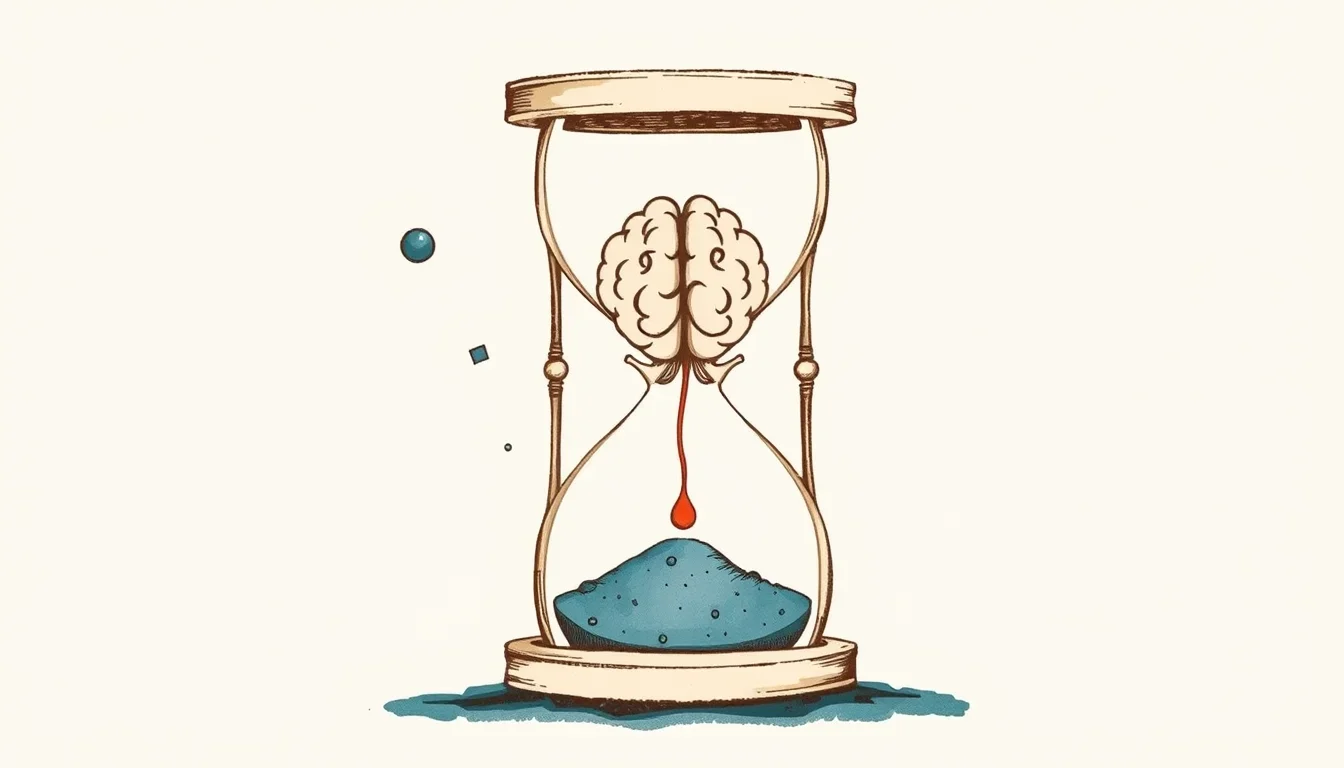
As biological life extends while social connections and personal value fade, a phenomenon of tiredness of life emerges. For branding, this is a signal: communications aimed at a mature audience require a transition from sterile medical utility to the restoration of agency, dignity, and life meanings. Understanding the psychology of a mature audience becomes a key factor in building long-term relationships with consumers aged 55+.
What the Research Revealed
Researcher Sam Carr from the Centre for the Study of Death and Society at the University of Bath, drawing on the work of the European research network Understanding Tiredness of Life in Older People Research Network, analyzed the existential state of older people. Details of the observations were published on the Psychology Today platform and are supported by data from the journals The Gerontologist (2025) and Ageing & Society (2023).
A qualitative study involving 26 nursing home residents revealed that the feeling of being «fed up with life» is not always caused by depression or physical pain. Key markers of the phenomenon include:
- Loss of personal significance: the feeling that a person no longer contributes anything to the world.
- Loss of autonomy: a decline in the ability to control everyday decisions.
- Social disconnection: chronic isolation and the disappearance of familiar roles.
Medicine has learned to extend physical existence, but society is failing to create the social conditions and meanings for living this time to the fullest.
How Credible Is This?
The publication is based on qualitative phenomenological research, in-depth interviews, and interdisciplinary analysis of data from geriatricians, psychiatrists, and sociologists. This is not a mass quantitative survey, but a qualitative recording of subjective experience.
The sample in the key 2025 study is small (26 respondents in institutional settings), which imposes limitations: the findings cannot be automatically extrapolated to every older person who maintains high social activity. However, the phenomenon shows a steady correlation between social isolation and the loss of the will to live.
What This Means for Advertising
Many brands make a positioning error for the 55+ segment: they either exploit themes of infirmity and care, or show caricatured, carefree «active seniors.» The research reveals deeper insights for marketing strategy:
- Respect instead of overprotection: The audience rejects a paternalistic tone. Trust is formed where the brand sees the individual as an independent person, not an «object of care.»
- Restoring value (mattering): People want to feel useful to society. Products that create a platform for mentorship, knowledge exchange, and creativity foster long-term loyalty.
- Visual authenticity: Sterile white-and-blue medical tones reinforce feelings of isolation and institutionalization, reducing engagement.
How to Apply These Insights in Communications
To build a sustainable and ethical connection with an older audience, marketers and designers should revise their communication strategy:
- Change the Tone of Voice: Move from a language of pity or rescue to a language of partnership. Emphasize the client’s expertise, their right to choice, and their control.
- Adjust the visual palette: Move away from bleached hospital shades and infantile pastel gamuts. Use deep, natural tones—ochre, warm terracotta, noble pine, or deep blue—that convey stability and emotional warmth.
- Change creative scenarios: Show older protagonists not just as recipients of help, but as active participants in a process. For example, instead of «a grandson helping a grandmother pay a bill,» show a woman confidently managing her assets through a well-designed interface.
- Integrate social context: Add mechanisms of intergenerational connection, community, and knowledge sharing into service positioning to address the need for belonging.
Frequently Asked Questions
Does this phenomenon only apply to the very elderly?
No, the loss of a sense of usefulness and the crisis of autonomy can occur immediately after retirement if a brand or society pushes a person out of active life.
Which visual images increase CTR in this category?
Realistic portraits with natural lighting, focusing on the gaze and engagement in a beloved activity, work significantly better than staged photos of perfect models.
Conclusion
Trust from a mature audience is built on the recognition of their dignity, agency, and depth of experience. Brands capable of restoring a person’s sense of self-importance through color, visual codes, and meaning create maximum value. To test the visual presentation and color triggers for your niche, go to RGB-Analytics and start creating more human-centric content today.
Source Psychology Today ↗