Nostalgia in Branding: How Heritage Restores Trust

Nostalgia in branding can instantly break through banner blindness and rekindle audience interest, even during periods of high market turbulence. In an oversaturated information environment, modern consumers increasingly seek islands of stability and predictability. The experience of British retailer Argos proves that well-executed emotional memory and reliance on recognizable historical brand assets enhance audience loyalty significantly more effectively than aggressive price discounts.
The Anatomy of a Relaunch: What Was Learned in Practice
As reported by the industry publication Marketing Week, the Argos retail chain, after a change of ownership, made a strategic bet on organic growth, seamlessly blending rich brand heritage with modern communication formats.
The brand aims to stand out in the highly competitive holiday season through three key pillars: unparalleled breadth of assortment, building deep trust, and the targeted use of the feeling of nostalgia.
Faced with a decline in metrics in previous years, the company radically revised its marketing strategy:
- Combined recognizable retro symbols with large-scale campaigns by content creators on social media.
- Shifted the primary focus from exclusively children’s products to a wide range of items for the home and the entire family.
- Redistributed a significant portion of traditional television budgets in favor of engaging digital storytelling.
How applicable are these data: fact-checking and limitations
This material is not an academic laboratory experiment, but a practical business case and analysis of the corporate strategy of a major retailer. All conclusions are based on official statements from top management and practical metrics of campaign effectiveness with influencer marketing.
The main limitation of the strategy: relying on historical heritage yields maximum ROI primarily for companies with an established reputation in the market.
For young startups, directly copying this approach will not yield a similar effect. New players need to consistently build fresh anchors of recognition rather than trying to appeal to a non-existent shared past.
Psychology of Perception: What It Means for Advertising
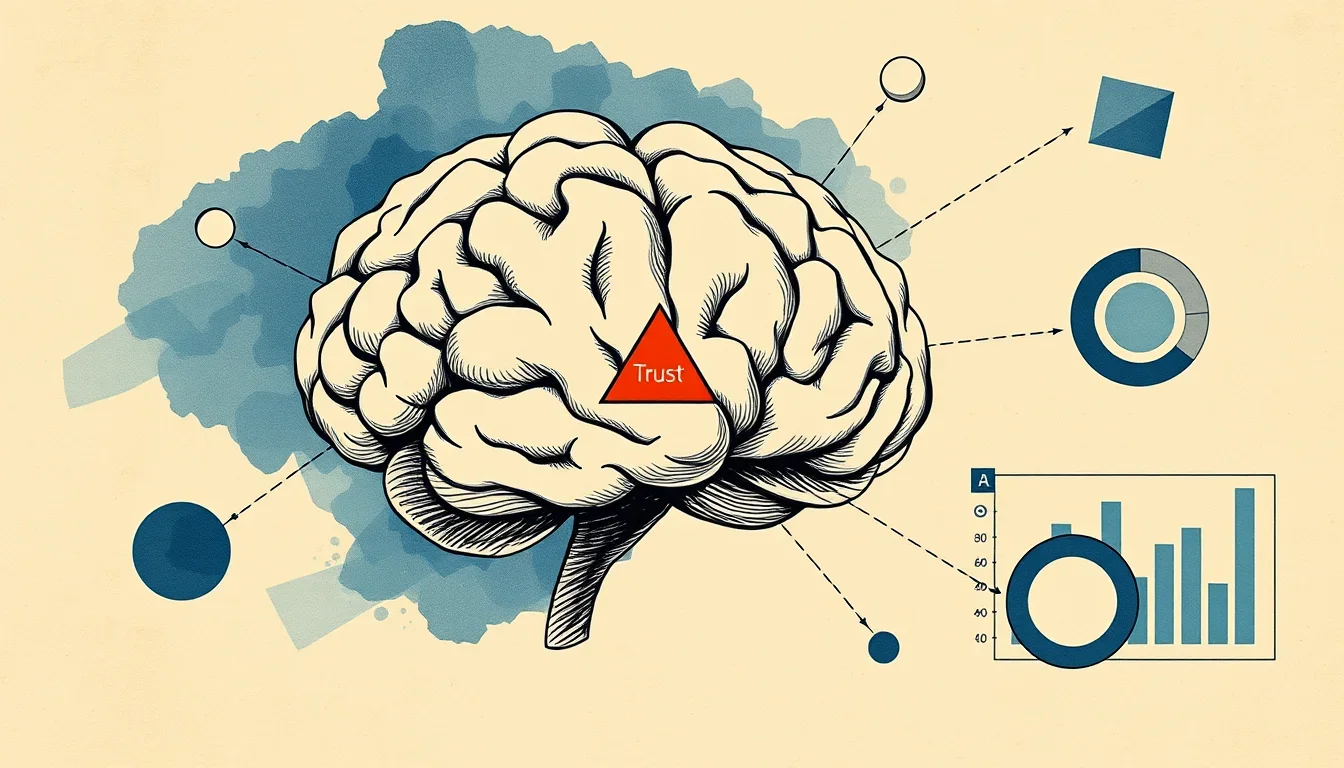
Marketers, brand strategists, and art directors must take into account the cognitive mechanisms triggered by the consumer’s visual memory:
- Reduced cognitive load: familiar typography, well-known mascots, or archival color palettes are processed by the brain without resistance, forming a basic subconscious trust.
- Increased attention retention: well-calibrated nostalgic triggers evoke a vivid emotional response, keeping focus on the advertising message significantly longer than standard creatives.
- Balanced positioning: the synergy of time-tested reliability and trendy distribution channels (collaborations, viral formats) completely eliminates the risk of looking outdated.
How to Integrate Nostalgic Triggers into Creatives
To leverage the power of established recognition and strengthen brand positioning, use the following step-by-step algorithm:
- Conduct a brand asset audit: identify stable visual markers (brand colors, patterns, characters) that customers remember from early interaction stages, and make them the central visual dominant.
- Update the presentation without breaking the semantics: apply the «was/now» concept. Keep the vintage aesthetic or historical logo, but package them into ultra-dynamic video content and native UGC formats.
- Communicate fundamental reliability: reinforce visual stability with meaningful offers — talk about unchanging quality control standards, warranty obligations, and proven experience.
Frequently Asked Questions
Is nostalgic marketing suitable for young companies?
Although new brands find it difficult to rely on their own background, they can effectively leverage general cultural codes of the era: the aesthetics of the 90s or 2000s, warm analog color grading, and vintage fonts, evoking a collective cultural nostalgia in the audience.
Won’t an emphasis on the company’s history make the image outdated?
The danger of archaism arises only when ignoring modern communication channels. A competent balance of retro codes with actual mobile production and opinion leaders emphasizes the timeless value of the brand.
Conclusion
Sustainable consumer trust is built at the intersection of genuine emotional connection and a well-crafted design system. Thoughtful engagement with the past helps brands protect their margins and stand out from homogeneous competitors.
Want to find out which specific visual anchors and color palettes will provide maximum conversion for your segment? Test hypotheses and optimize creative parameters right now using the RGB Analytics service.
Source Marketing Week ↗