Early Alzheimer’s Diagnosis: New Markers for the Medicine of the Future
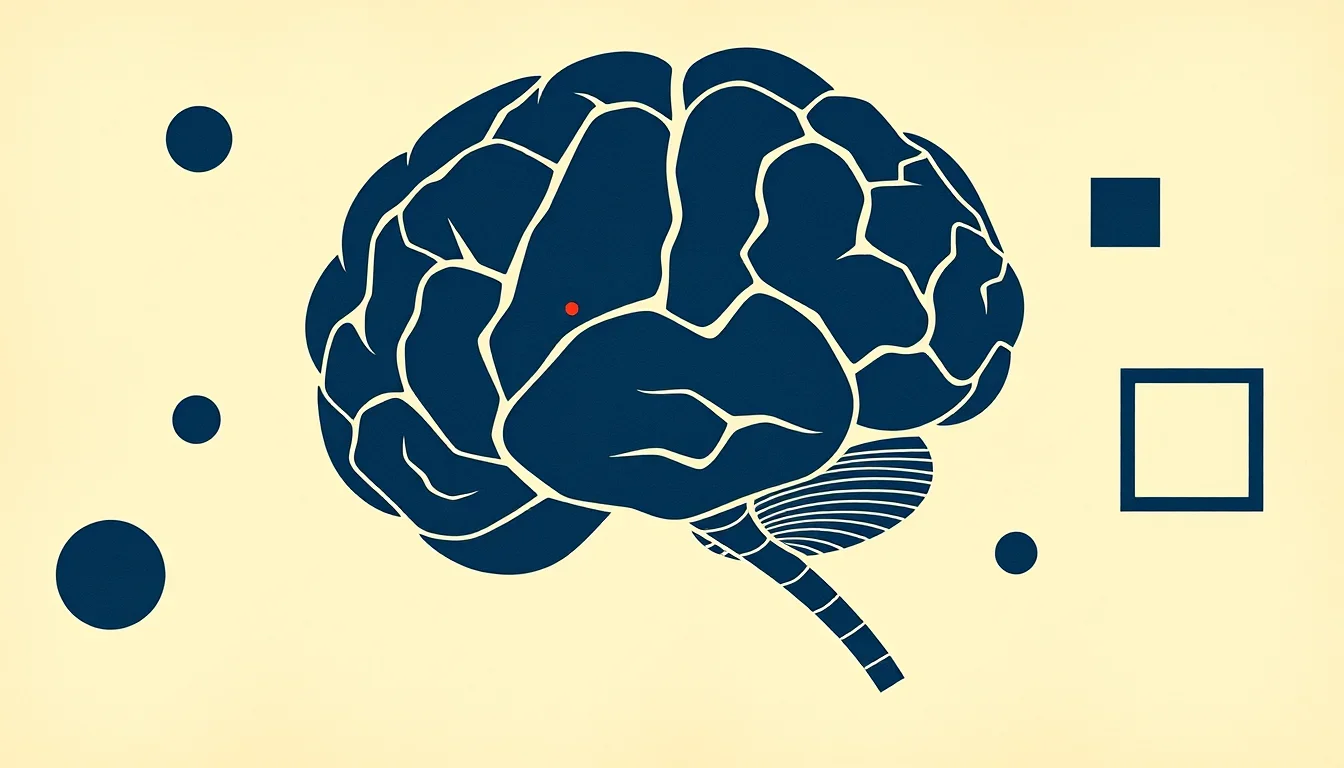
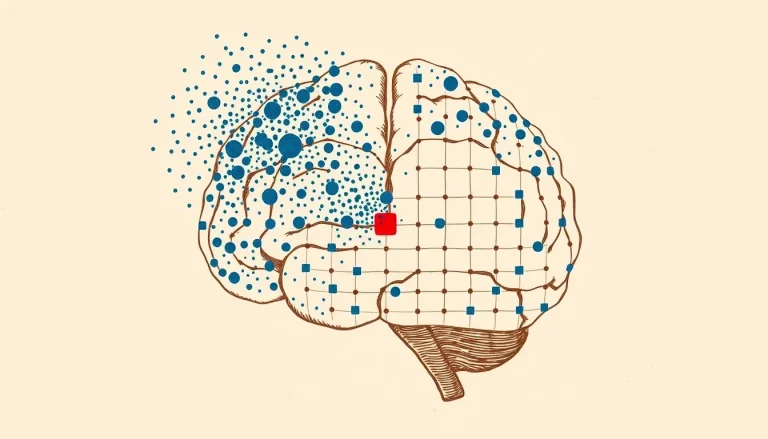
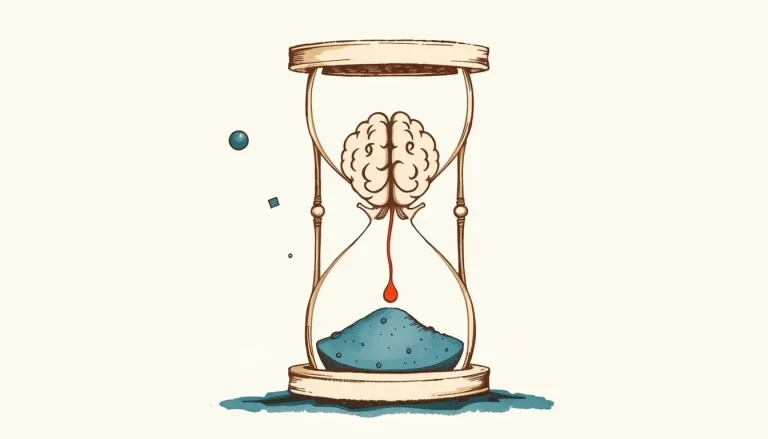
Early Alzheimer’s diagnosis is becoming not just a medical task, but a fundamental shift in the preventive healthcare paradigm. Scientists have discovered that the disease begins to destroy the brain 10 years before the first clinical symptoms appear. This discovery changes the approach to diagnosis and opens a window of opportunity for preventive therapy while cognitive functions have not yet faded.
What Researchers Found
A research group from Johns Hopkins University analyzed hundreds of MRI and PET brain scans of patients at different stages of the disease. The results, published in the journal NeuroImage: Reports, indicate two areas of the brain that atrophy earlier than the hippocampus—the traditional indicator of the disease.
Key Areas of Damage
- Entorhinal cortex: responsible for retrieving stored memories.
- Amygdala: involved in processing emotional memory.
These zones begin to lose volume 5–10 years before a person notices memory problems. The study confirmed a link between this process and the accumulation of tau protein, which forms pathological tangles that disrupt neural connections.
How Reliable Is This?
The work is a large-scale observational study using data from two independent projects: Alzheimer’s Disease Neuroimaging Initiative and Biomarkers of Cognitive Decline Among Normal Individuals. It is a qualitative analysis of correlations between structural brain changes and clinical biomarkers.

It is important to understand: this is not a ready-made clinical test, but a scientific basis for new criteria for early risk detection, requiring further molecular verification.
What This Means for Advertising and Communications
For brands in the HealthTech and medical services sectors, this study sets a new standard for consumer communication:
- Emphasis on preventiveness: brand trust grows when it speaks not of «treating symptoms,» but of «preserving the future.»
- Visualization of expertise: using neurobiology data increases the company’s authority (E-E-A-T) in the eyes of B2B partners and investors.
- Shift in focus: the promotion of check-up services should shift from «memory testing» to «analysis of early biological markers,» which sounds more scientific and technological.
How to Apply This in Marketing
- Update offers: replace the abstract «Check your memory» with something more specific and scientifically grounded: «Early diagnosis of neurodegenerative changes.»
- Use authoritative sources: in your content, refer to specific studies from Johns Hopkins University to reinforce the expert status of your product.
- Visualize the benefit: in landing pages or presentations, demonstrate the «window of opportunity»—the time period when intervention is most effective.
- Adapt Tone of Voice: move from an anxious tone («Your memory is in danger») to a confident and technological one («We use brain state data to protect your future»).
Frequently Asked Questions
| Question | Answer |
|---|---|
| Why was only the hippocampus looked at before? | The hippocampus was considered the main memory center, but new data shows that the amygdala and entorhinal cortex react earlier. |
| Can such a test be taken right now? | At the moment, this is a scientific discovery that requires the standardization of MRI protocols. |
| How will this help pharmaceutical companies? | Identifying patients at an early stage allows for testing drugs when processes are still reversible. |
Conclusion
Scientific data shows that early detection of problems is the key to preserving cognitive health. Brands that convey expertise through such research evoke more trust from the audience. If you want to present your medical services correctly and make them understandable to clients, we will help you calculate a positioning strategy based on data, not guesswork.
Source ScienceDaily: Neuroscience ↗