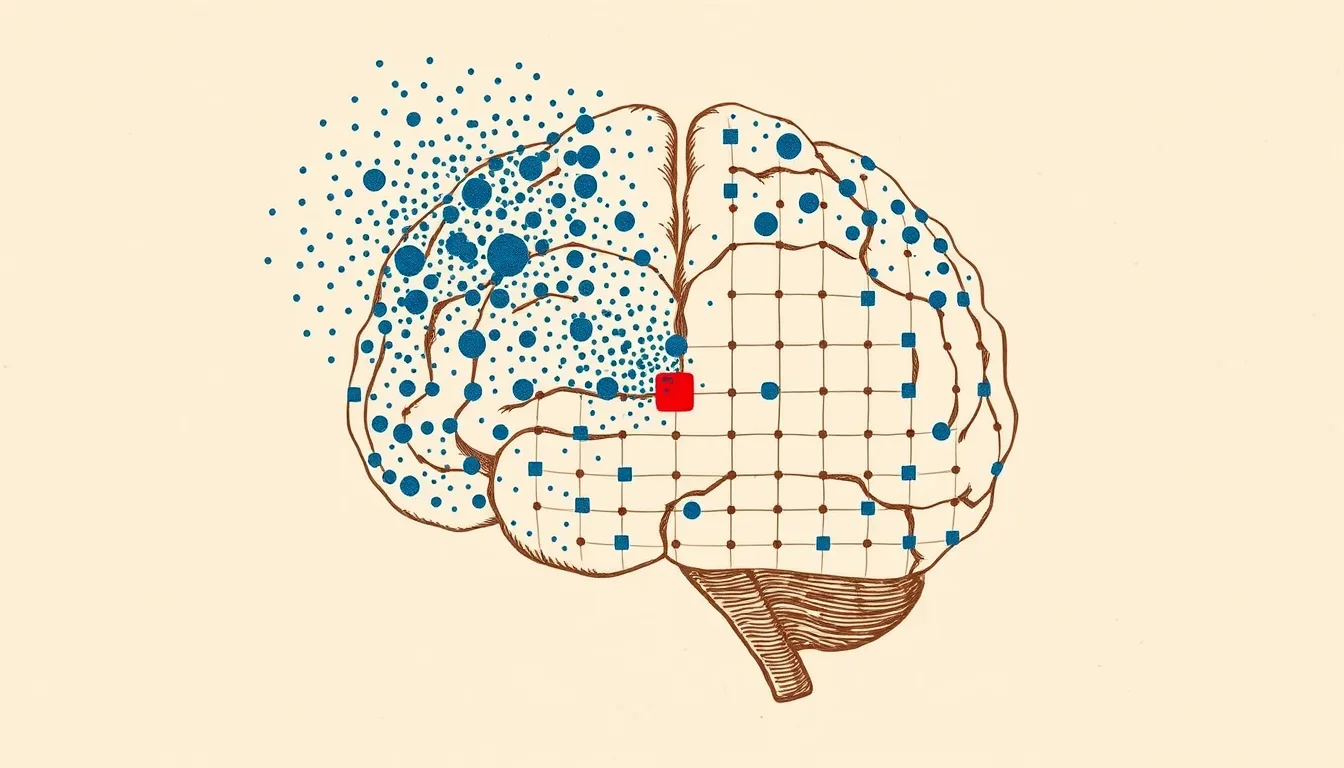
AI in design: why raw data loses to synthesized outputs
Research shows that feeding neural networks «raw» user reviews leads to mediocre interfaces, so AI in design requires a conscious approach to context preparation. For artificial intelligence to create truly effective solutions, marketers and designers need to pre‑synthesize data into ready‑made insights and concrete recommendations.
What experts found
Experts NN/g (Nielsen Norman Group) conducted an experiment to understand how the type of input data affects the quality of AI tools. The study involved two tasks: creating a form for rebooking a cancelled flight and developing a payment process in an online store.
Methodology and results
Methodology: AI generated 8 design variants for each scenario, using either «raw» user comments or pre‑analyzed insights and recommendations.
Evaluation: Design quality was assessed using a checklist of criteria. Works were evaluated by a human and an independent AI judge (agreement between evaluations was 96%).
Results: Designs based on synthesized data scored on average 8.4 percentage points higher (77.9% vs 69.5%) than those based on «raw» reviews. The difference was statistically significant (p < 0.001).
How much to trust this
This is a controlled experiment demonstrating a clear correlation between context quality and generation outcome. The study relied on relatively clean data (about 100 comments per task). Authors note that in real conditions where data is «dirtier» and tasks are more complex, the advantage of synthesized insights is likely to be even more pronounced.
What this means for advertising and UX
AI is a «executor», not a «strategist». Feeding the neural network unprocessed data forces the model to guess priorities on its own, often leading to ignoring critical business nuances.
Raw data describes the problem but does not propose a solution. Synthesized insights turn observations into concrete design tasks.
Factor
Impact of synthesized data
Conversion
Ensures that important elements (e.g., bonus information) appear in the layout.
Trust
AI better accounts for business context, making the interface logical and professional.
Efficiency
Reduces the number of iterations, delivering high‑quality results on the first try.
How to apply this approach
For AI tools to start delivering real value to your brand, change your prompt preparation approach:
Don’t feed AI «raw»: First analyze the reviews yourself or with AI. Identify the main pain points and formulate concrete insights.
Add recommendations: Instead of saying «users complain about the cart», write: «Recommendation: always display the item list and total amount at each checkout stage».
Create contextual libraries: Build a product knowledge base that can be provided to AI as «context» before generating any creative or interface.
Separate roles: Keep data interpretation and strategic decisions to yourself. Use AI only as a tool to bring those decisions to life.
Frequently asked questions
Why AI struggles with raw data?
AI doesn’t understand business priorities and technical constraints. In «raw» data there are many contradictions, and the model may not always determine which review is more important for achieving company goals.
Is manual data analysis even necessary?
Yes. The study shows that human interpretation adds a layer of expert judgment that is critical for product quality and its alignment with market realities.
Conclusion
Generating interfaces is only a small part of the work. The true value of a UX specialist today lies in turning chaotic feedback into clear guidelines for AI. Want to learn how to properly package data for your marketing tasks? Calculate the optimal context delivery for your projects at RGB Analytics right now.
Псевдоним редакционного автора RGB-Аналитики. Пишет о цвете, форме и брендинге с помощью ИИ по свежим исследованиям; каждый материал проходит редакционную проверку.