Customer Psychotypes: Shame, Anxiety, and Hidden Narcissism in Advertising
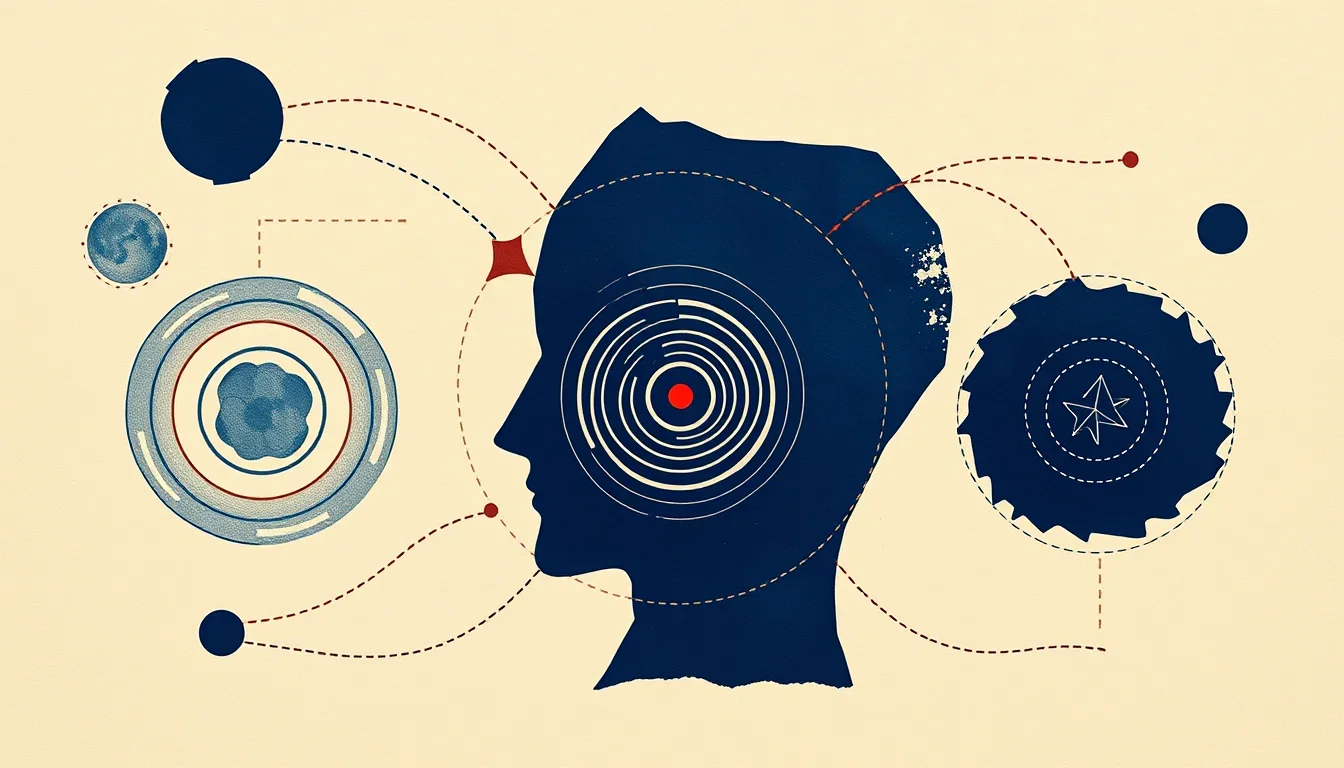
Deep client psychotypes determine exactly how the target audience reacts to triggers of approval, error, and social status: while some consumers suffer from the fear of their own imperfection, others panically await rejection from those around them. Understanding these hidden mechanisms helps to construct the psychology of advertising in such a way as to carefully remove barriers to purchase, rather than provoking a defensive reaction and lead churn.
What the researchers found
A group of Italian psychologists led by Giulia Rosa Policardo from eCampus University, together with colleagues from Sapienza University of Rome, studied in detail the emotional differences between social anxiety and deficit (vulnerable) narcissism.
The results of this large-scale scientific work were published in the specialized journal Personality and Individual Differences (more details at PsyPost).
The research sample included 400 adult volunteers with an average age of 33. All experiment participants completed standardized psychological questionnaires. The tests assessed the level of social anxiety, key traits of vulnerable narcissism, general rejection sensitivity, as well as two fundamental types of shame:
- Internal shame — a person’s deep-seated belief in their own fundamental defectiveness and continuous, harsh self-flagellation.
- External shame — a persistent conviction that society is hostile, despises them, or judges them exclusively negatively.
The final regression analysis demonstrated clear differentiation. For people with pronounced social anxiety, the only statistically significant predictor was internal shame.
At the same time, vulnerable narcissism was found to be strongly linked to a complex of interrelated factors: younger age, extremely high sensitivity to social rejection, as well as the simultaneous action of both internal and external shame.
Methodology and limitations: how much to believe this
The presented study was conducted using a cross-sectional design. This means that the researchers captured a statistical correlation, but not a direct causal relationship: strictly speaking, one cannot categorically claim that shame directly shapes narcissistic behavioral patterns.
Furthermore, more than 80% of the final sample consisted of women from Italy, and key parameters were measured through self-report formats. When assessing their own narcissistic traits, respondents might have unintentionally smoothed over their answers due to an unconscious desire to appear socially desirable.
The authors of the scientific paper also did not take into account the personal history of possible psychological traumas of the participants, which leaves room for further applied testing.
What this means for marketing and advertising
For practicing marketers, strategists, and copywriters, these scientific findings clearly explain why cookie-cutter offers like «stand out from the gray mass» trigger diametrically opposite responses from different audience segments.
| Segment Psychotype | Key Vulnerability Trigger | Reaction to Aggressive Marketing | Conversion Growth Point |
|---|---|---|---|
| Socially Anxious | Internal shame (self-flagellation, fear of making mistakes) | Stress, closing the tab, refusal to engage in dialogue | Refusal of calls, anonymity, safety |
| Vulnerable Narcissistic | External shame + fear of being rejected | Resentment, leaving when their expertise is doubted | Status confirmation, private clubs, elitism |
Proper target audience segmentation taking these factors into account changes the sales funnel in three key directions:
- Conversion of the socially anxious segment drops rapidly under direct pressure: such users continuously criticize themselves from within. If an ad creative hints at their incompetence or forces them to contact sales managers without alternatives, they immediately close the page.
- Attention of vulnerable narcissists is tied to external recognition: they crave approval from a reference group but are panically afraid of the slightest criticism. Aggressive status-marketing in your face scares them off, whereas subtle recognition of their absolute correctness and exclusivity significantly increases creative click-through rates (CTR).
- Brand trust is effectively formed by completely removing shame: if a product is positioned as an absolutely safe solution where the client will never be judged, the basic psychological resistance to purchase instantly disappears.
Practical Application: How to Adapt the Sales Funnel
Adapt your ad creatives, landing pages, lead forms, and sales department scripts to the dominant emotional psychotype of your leads.

1. Eliminate the fear of calls and live evaluation
For people with pronounced social anxiety, a sudden call from an operator represents significant stress. Offer the audience a comfortable alternative that completely neutralizes the risk of internal discomfort and fear of judgment.
Before: «Leave your number, our consultant will call you back in 30 seconds and ask follow-up questions».
After: «Calculate the exact cost in the online calculator without any calls. We will send the calculation directly to Telegram».
2. Protect the fragile self-esteem of a status-driven audience
The vulnerable narcissistic psychotype reacts extremely painfully to any social rejection. In commercial offers, it is strictly forbidden to call into question their current level of taste, experience, or expertise.
Before: «Are you still doing marketing wrong? Learn the basics in our course».
After: «A private club for specialists who value data accuracy and are not willing to waste time on amateurs».
3. Replace toxic shaming with empathy
Completely exclude formulations from your communication that artificially amplify internal shame («Are you still ashamed of your website?», «Haven’t started your own business by age 30?»). It is much safer and more profitable to show that the difficulty encountered is absolutely natural and caused by the external complexity of the environment, rather than a personal defect of the user.
Frequently Asked Questions
What is the difference between grandiose and vulnerable narcissism in marketing?
A grandiose narcissist demonstratively acquires flashy luxury to openly dominate in society («Show everyone around your stunning success»). A vulnerable narcissist seeks private communities, delicate premium service without public pressure, and indirect confirmation of their own uniqueness, protecting themselves from the deep terror of being rejected.
How can I understand which type of shame prevails among my customers?
Carefully study the digital behavior of users within your funnel. If leads regularly abandon the checkout process at the stage of entering personal data or the agonizing choice of a complex tariff, there is a high probability that social anxiety is triggered—the fear of making a mistake and appearing incompetent. An in-depth study of behavioral metrics through target audience analytics allows you to identify such conversion barriers in a timely manner.
Conclusion
Effective marketing personalization is built not on standard socio-demographic indicators of gender and age, but on accurately hitting the hidden emotional vulnerabilities of the audience. Competent deconstruction of internal and external shame reduces the cost of lead acquisition and builds genuine brand loyalty.
Do you want to systematically identify the true motives of your target audience and subtly calibrate messages to the psychological triggers of your clients? Use modern analytical methods—you can calculate the optimal positioning model for your project today.
Source PsyPost ↗