McDonald’s Dynamic Pricing: How AI Is Changing Sales

McDonald’s Dynamic Pricing: How AI Is Changing Sales
The implementation of dynamic pricing using artificial intelligence is becoming a new standard for global retailers, allowing brands to flexibly adapt to market changes. McDonald’s actively uses algorithms for precise price adjustments in its restaurants, enabling the chain to effectively respond to local demand and consumer behavior. Let’s examine how pricing automation affects profitability and brand perception in modern realities.
What Was Discovered
According to data from Reuters, McDonald’s, together with Tiger Analytics, launched a data analysis system for 14 thousand locations in the US. The algorithm processes transaction history, demand levels, and competitor prices to recommend optimal menu item pricing.
| Parameter | Description |
|---|---|
| Scale | 14,000 restaurants in the US |
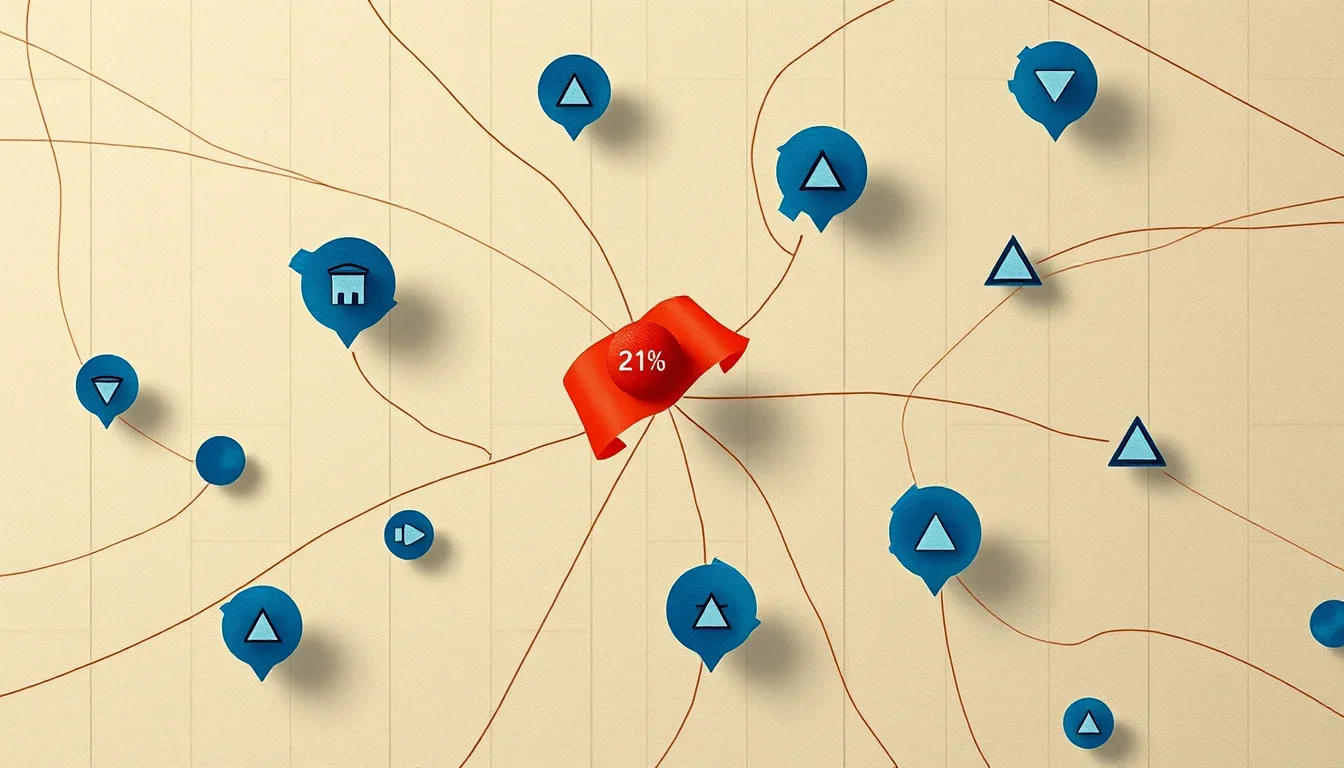
| Result | Price gap for a single product up to 21% within one city |
| Mechanism | System provides recommendations, final decision rests with franchisees |
How Much to Trust This
It is important to understand that this is not a scientific experiment, but a business case of implementing a technological solution. The identified 21% difference is an observation of market prices, not a direct proven result of AI operation.
There is a correlation between the system’s implementation and the growth of price variability. However, the final price tag is also influenced by rental rates, operational costs, and local competition, which franchise owners account for independently.
What This Means for Advertising
Dynamic pricing is a way to maximize profit by understanding the «willingness to pay» of a specific audience in a specific location.
For a marketer, this means a gradual shift away from the «one price for all» strategy. AI helps solve the following tasks:
- Increase Conversion: price becomes psychologically comfortable for a specific buyer segment.
- Optimize Margin: lowering prices where demand is elastic, and raising them where the product is perceived as valuable or unique.
- Strengthen Competitiveness: ability to react promptly to neighbors’ promotions in the market.
How to Apply
Even if your business is not at McDonald’s level, the principles of algorithmic pricing can be successfully integrated into your strategy:
- Segment Audience by Willingness to Pay: use CRM data to offer different offers (discounts or premium packages) to different client groups.
- Test Elasticity: conduct short A/B price tests in different regions or on different traffic channels to find the «profit maximum point.»
- Account for Context: adapt landing pages to location or time of day — in some niches, the «here and now» price works more effectively than a fixed price list.
- Monitor Competitors: use price parsing for automatic updating of your offers if you operate in a highly competitive environment.
Frequently Asked Questions
Does AI Change Menu Prices Itself?
No, the system provides recommendations based on data. The final decision is made by a human (owner or manager), allowing for consideration of specifics that the algorithm might miss.
Will This Drive Away Customers?
If the price difference is justified by location or time, consumers perceive it as part of market conditions. However, it is important to avoid sharp spikes to avoid destroying brand trust.
Conclusion
The use of AI in pricing is a transition from intuitive management to mathematically grounded marketing. To understand how to tailor your price offering to audience expectations and maximize profit, calculate the effectiveness of your current strategies in RGB Analytics today.
Source Sostav.ru ↗