The Psychology of Persuasion: Why Selfish Offers Are More Contagious Than Kind Ones

The Psychology of Persuasion: Why Selfish Offers Are More Contagious Than Kind Ones
The psychology of persuasion in advertising often stumbles over blind faith in the nobility of the audience, but fresh data proves: selfish motives spread several times faster than altruistic ones. When the consequences of a purchase are vague, people readily justify their personal gain and instantly copy similar behavior from those around them. In this article, we’ll break down how to use these mechanisms to boost the effectiveness of your marketing campaigns.
What the Scientists Found Out
Researchers M. C. Vollberg and J. Gross published in the prestigious journal Nature Human Behaviour a study dedicated to how people evaluate the impact of their actions on others (research source). The authors tested participants’ behavior under conditions of ambiguity, when the exact effect of actions on society is unknown.
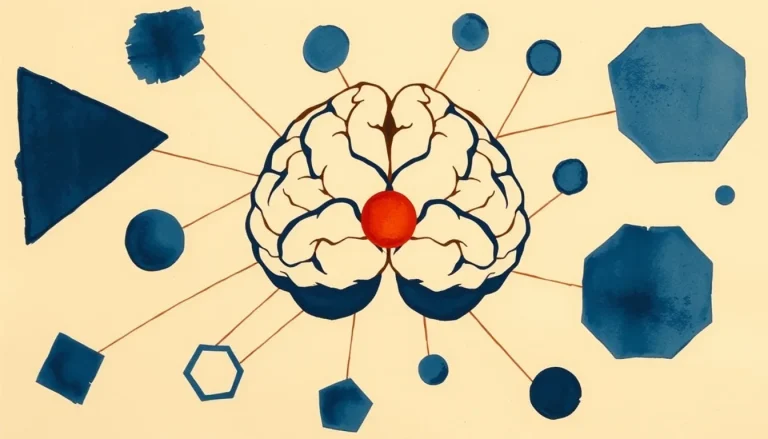
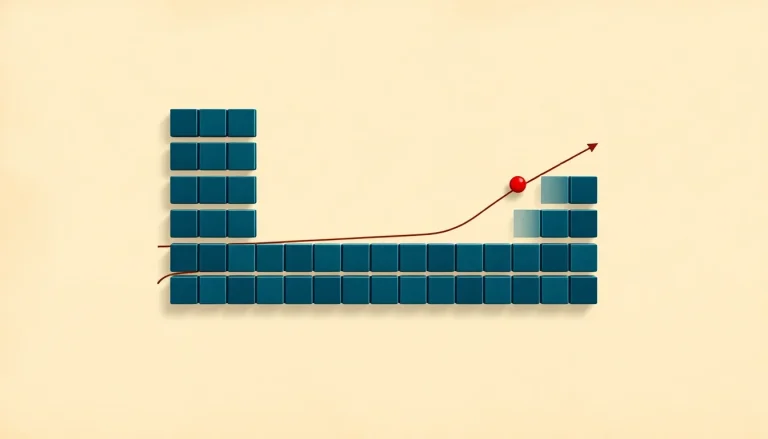
It turned out that both selfish and socially oriented participants are equally prone to distorting reality in their favor when the situation is blurry. However, distortions in favor of egoism turned out to be significantly more «contagious»: seeing someone else’s example of a selfish choice, followers instantly adopted this logic, sharply lowering the level of social responsibility.
How Much to Trust This
The work is a strictly controlled behavioral experiment relying on classical economic models of «moral wiggle room.» The scientists measured participants’ real decisions when distributing benefits under uncertain conditions.
Nevertheless, the study was conducted in laboratory conditions using game scenarios, which imposes limitations on directly copying the effect into retail. In real life, the consumer is influenced by brand, status, and the publicity of the choice, but the mechanism of social contagion of egoism is statistically reliable.
What This Means for Advertising
If you sell a complex or ethical product, appealing exclusively to «saving the world» can reduce conversion and response. Here are three takeaways for practical marketing:
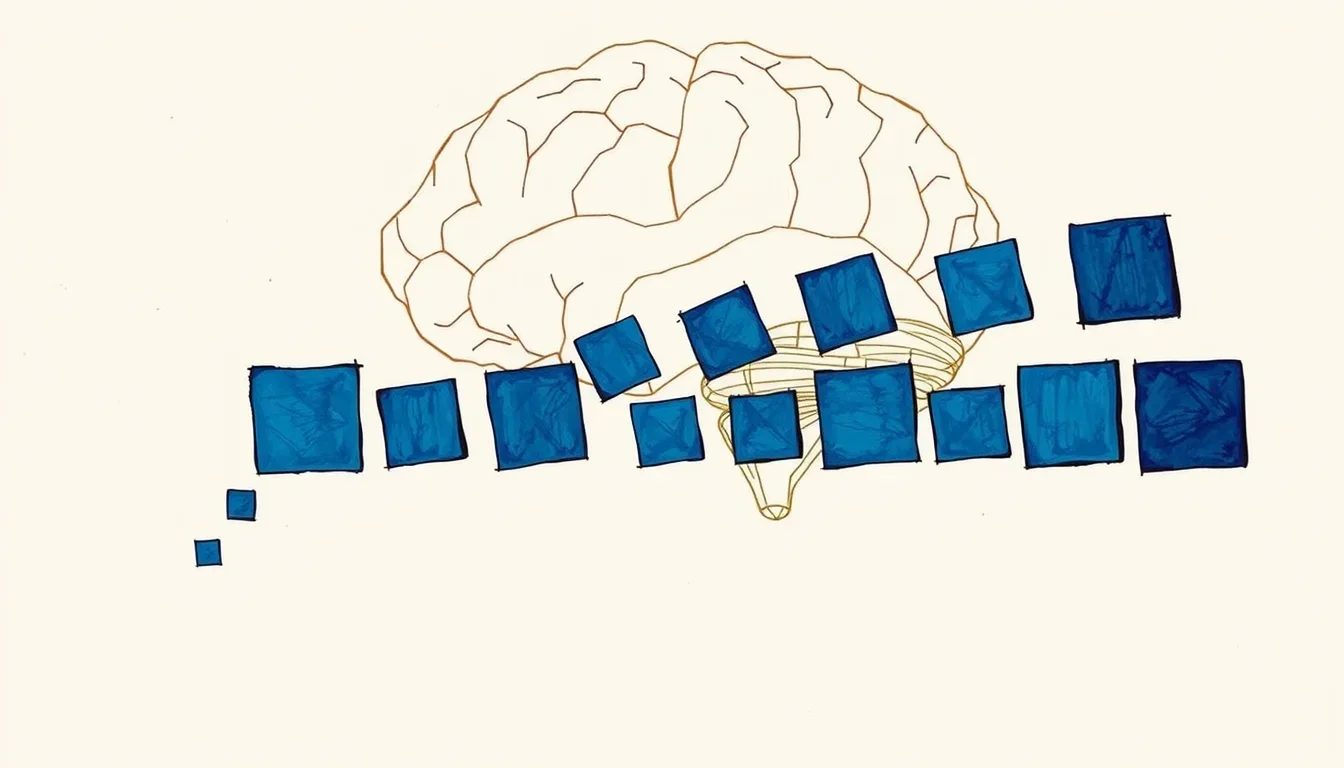
- Egoism lowers the barrier before purchase: it’s easier for a buyer to justify the expense if it covers their direct need rather than an abstract benefit for the community.
- Social proof works toward simplification: seeing that others choose personal savings or convenience, a hesitant client instantly allows themselves to do the same.
- Uncertainty kills altruism: if the link between buying an expensive eco-product and a real result isn’t 100% obvious, the cheap and convenient alternative will win.
How to Apply This in Texts and Creatives
Restructure the presentation of offers: put the buyer’s direct benefit front and center, and make social good a pleasant free bonus.
- Rewrite the main landing page headline. Personal comfort matters more than abstract values.
- Before: «Buy our coffee: we support African farmers».
- After: «Rich chocolate flavor of fresh roast. And we’ll donate 5% from each pack to farmers ourselves».
- Remove the guilt over saving money in the cart. Give the client a moral justification to choose a cheaper plan.
- Before: «Donate 50 rubles to eco-friendly packaging».
- After: «Choose the standard sturdy box and save your budget — we’ll take care of separate collection ourselves».
- Use reviews with an emphasis on personal profit. Show that rational egoism is the norm among your customers.
Frequently Asked Questions
Does This Mean Social Marketing No Longer Works?
It works, but only if the social benefit doesn’t require personal sacrifices from the buyer or overpaying for a questionable result. Transparency of the effect is critical.
How to Motivate the Audience Toward Conscious Consumption?
Make the conscious choice more profitable, prestigious, or convenient personally for the client, rather than appealing to their sense of guilt.
Conclusion
People readily cover their selfish decisions with any convenient pretext, especially if they see such an example in others. Stop selling only «good» — sell clear benefit for the client. And to precisely determine which persuasion trigger will work on your target audience, use RGB-Аналитики algorithms: you can calculate the ideal tone of communication right now.
Source Nature Human Behaviour ↗