Rapamycin Against Alzheimer’s: How Personalized Medicine Is Changing the Game
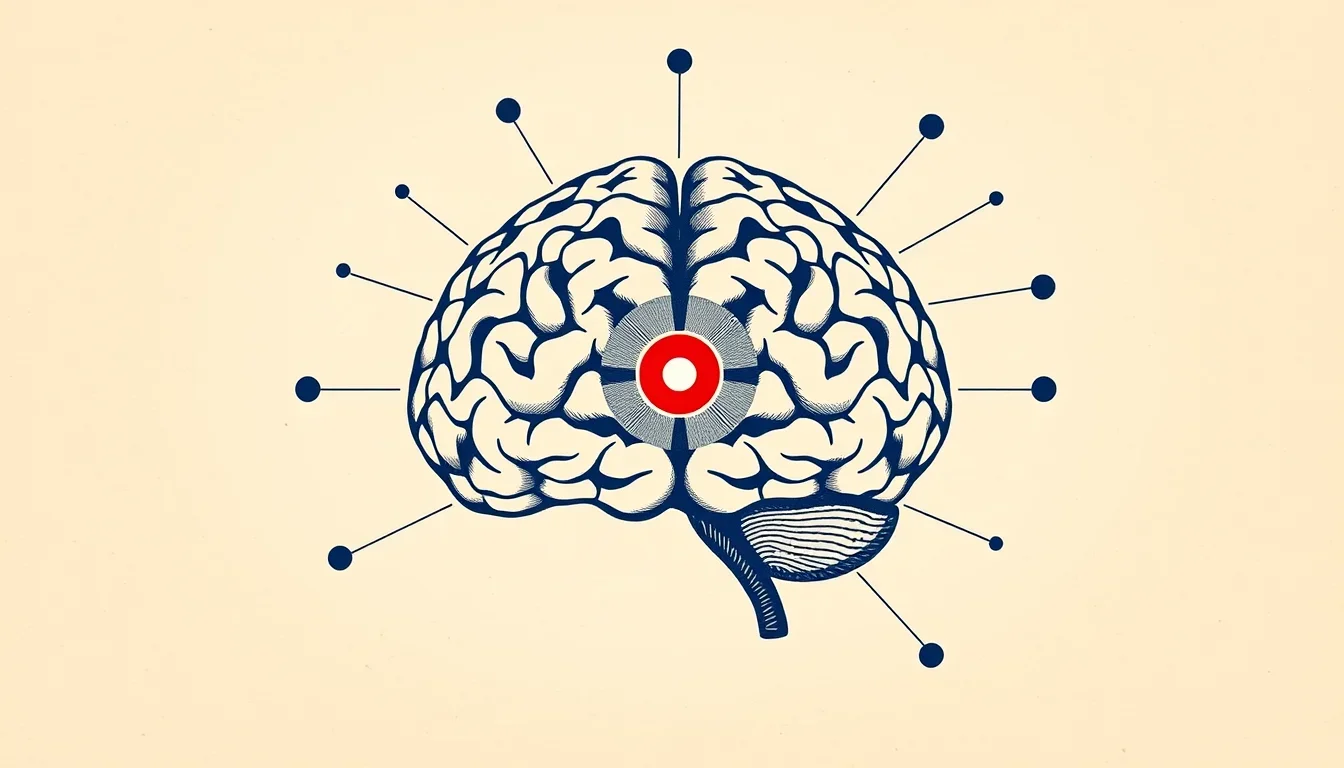
Personalized medicine and its impact on modern markets is not just a trend, but a new paradigm of consumer interaction. A new study from the University of Missouri showed that the drug rapamycin may improve blood supply to the brain in people with a genetic predisposition to Alzheimer’s disease. This discovery paves the way for dementia prevention long before the first symptoms appear, demonstrating how deep segmentation is changing the rules of the game in science and business.
What the Scientists Found
A team of researchers led by Professor Ai-Ling Lin of the University of Missouri conducted a pilot experiment, the results of which were published in the journal Journal of Cerebral Blood Flow & Metabolism. The study involved healthy people aged 45 to 65, some of whom were carriers of the APOE4 gene, which increases the risk of developing Alzheimer’s disease.
- Participants took a low dose of rapamycin daily for four weeks.
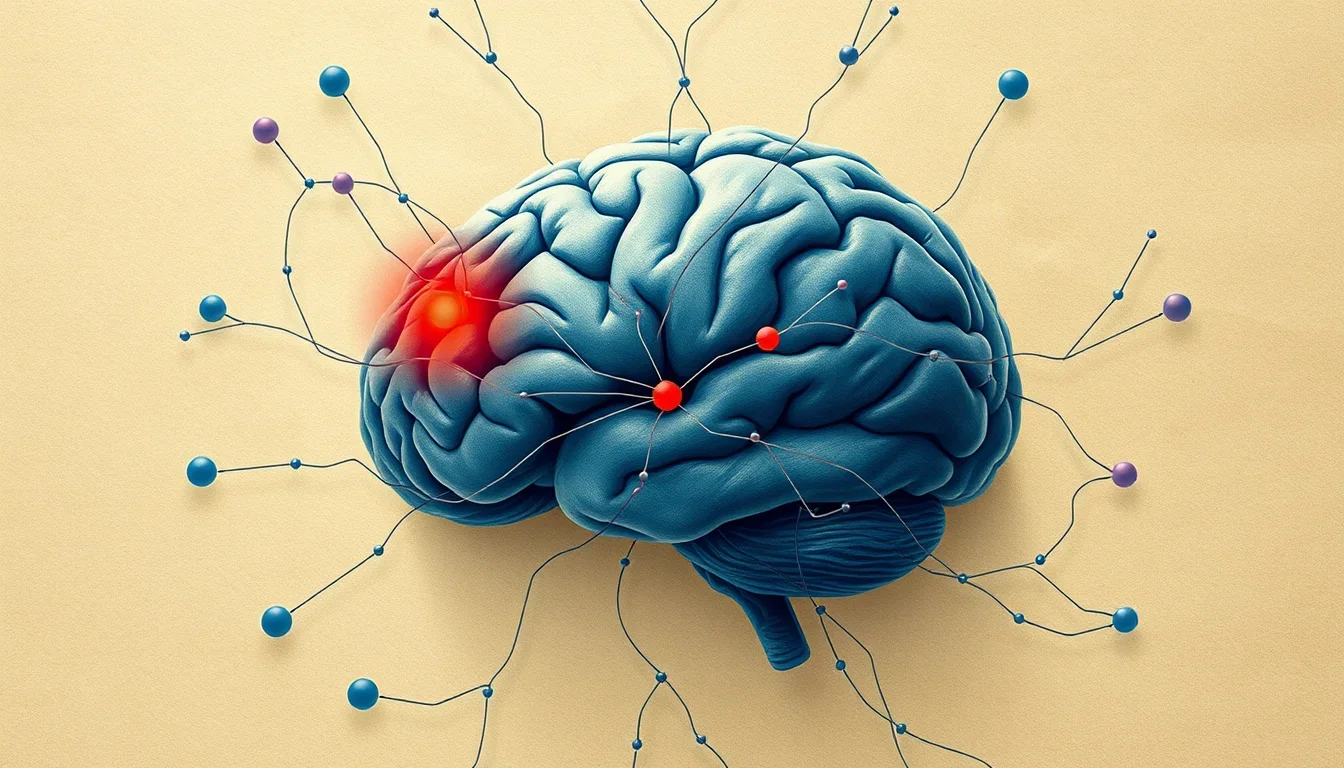
- APOE4 gene carriers showed a significant improvement in blood flow in key areas of the brain.
- No such changes were observed in people without this genetic variant.
- The most pronounced effect was observed in women carriers of APOE4.
How Reliable Is the Data
It is important to understand that this is a pilot study with a single group, which imposes certain limitations on the interpretation of the results. Although the data obtained are promising, they show only a correlation between taking the drug and improved blood flow, not direct prevention of dementia.
The study does not answer whether this effect persists in the long term or leads to a real reduction in the risk of developing the disease. Large-scale clinical trials will be needed for definitive conclusions.
What This Means for Marketing
This case is a benchmark of personalized marketing. It vividly demonstrates how moving away from the outdated «one product for everyone» strategy increases the value of the offer for a specific target audience.
«We are working to determine exactly who the drug will benefit most, instead of assuming equal effectiveness for everyone,» — Ai-Ling Lin, lead researcher.
Marketers need to realize: the effectiveness of an advertising message depends directly on how precisely you segment the audience’s «pains.» If your offer doesn’t hit a specific genetic, behavioral, or psychographic characteristic of the customer, it is perceived as informational «noise.»
How to Apply Precision Marketing Principles
To increase conversion, use the principles of targeted marketing based on a deep understanding of customer needs:
- Segment by «risk groups.» Don’t sell the same thing to everyone. Create separate landing pages for different segments (e.g., «Solution for beginners» vs «Solution for pros»).
- Focus on personal benefits. Instead of the generic «We will improve your health,» use «Specifically for those who care about prevention at age 45+.»
- Use the «Before/After» format.
| Approach | Message |
|---|---|
| Before (Mass marketing) | Our drug helps everyone improve blood circulation. |
| After (Personalization) | Proven support for brain blood flow for those in the genetic risk group. |
Also, don’t forget about trust through data. Reference specific studies to confirm your product’s expertise in the eyes of a skeptical and sophisticated audience.
Frequently Asked Questions
Why was rapamycin chosen for the study?
Rapamycin is already used in medicine to prevent organ rejection in transplantation, and is also actively studied as a promising agent for slowing the aging process.
Why were the results better in women?
Scientists note that this aspect requires further study. However, the fact is significant, as women make up nearly two-thirds of people living with Alzheimer’s disease.
Does this mean the drug can be taken for prevention?
No. The study is a pilot. Any medication should only be taken after consulting a doctor and following full clinical trials.
Conclusion
The University of Missouri study proves: the future belongs to a personalized approach, where the solution is tailored to specific biological characteristics. Want to learn to segment your audience just as precisely and create offers that hit the target exactly? Calculate your communication strategy with the tools of RGB-Аналитики and start speaking to customers in their language today.
Source ScienceDaily: Neuroscience ↗