Neuromarketing of Taste: How the Sour Effect Changes Product Perception
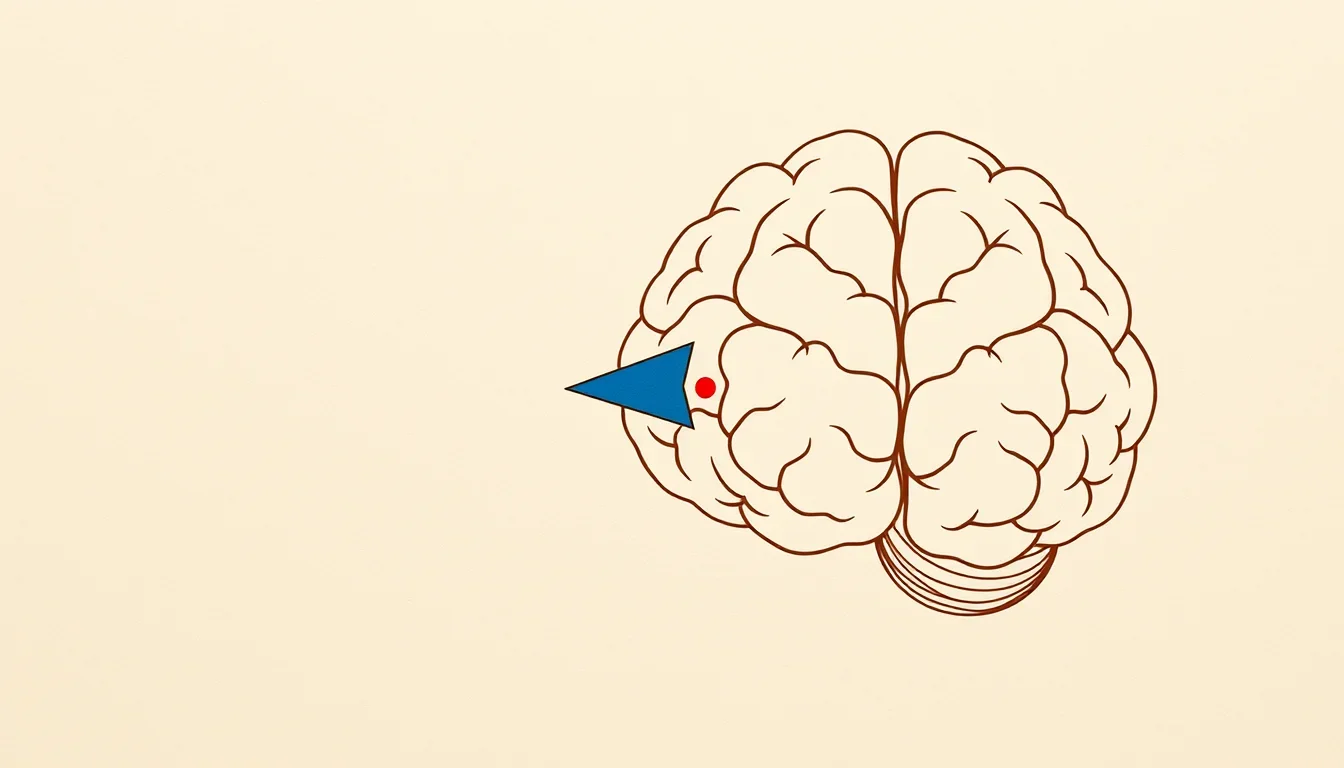
Modern neuromarketing of taste reveals unexpected patterns: the human brain makes purchasing decisions in fractions of a second, relying on deep evolutionary filters. A neurobiologist study published in the prestigious journal JNeurosci proves: our tongue acts as a primary barrier to incoming data, literally suppressing sweetness signals in the presence of acidity.
For practicing marketers and designers, this means that a product’s familiar flavor profile is not just subjective preference, but a rigid biological body reaction. Understanding this mechanism opens new horizons in consumer attention management and the development of conversion creatives.
What Scientists Discovered: The Biology of the Taste Barrier
A research group led by Isabella Fleites conducted a series of fundamental experiments on mice using calcium imaging methods. Scientists continuously tracked the neural activity of more than 300 receptors in real-time, offering subjects complex chemical mixtures instead of basic solutions.
- Biological Fuse: It was found that sour taste instantly activates «third-type» cells that trigger a serotonin release. This neurotransmitter blocks the transmission of impulses regarding sweetness, saltiness, or bitterness at the periphery—directly at the level of the taste buds.
- Evidence Base: With artificial chemical blocking of serotonin, the sour taste stopped drowning out other nuances. This confirmed a fundamental fact: primary perception filtering occurs not in the cerebral cortex, but directly at the sensory input.
- Evolutionary Aspect: Our organism unconsciously identifies a sour trigger as a marker of immature or potentially spoiled food. As a result, a protective mechanism is activated that shuts off the attractiveness of other stimuli to prevent intoxication.
How applicable is this data to consumer behavior?
What we have before us is a classic experimental study on biological models. Data on the cellular structure of mammalian taste buds is extrapolated to humans with high accuracy due to the identity of basic sensory pathways.
However, it is important for specialists to distinguish between two aspects: what we see is the physiological response of the nervous system, not the result of a questionnaire or a sociological survey. The receptor reaction is primary, but the final consumer decision can be further calibrated by a person’s cultural background, visual experience, and personal history.
What the «sour effect» means for advertising
Realizing that a sour stimulus acts as a dominant blocker forms three key rules for creating advertising campaigns:
- Hierarchy of perception: Excessively aggressive taste or visual triggers are capable of completely blocking the perception of other advantages of an offer. By focusing exclusively on one parameter (for example, a dumping price), you risk the audience simply not perceiving arguments about premium quality.
- Overload effect: Excessive stimulation of the senses in advertising creative works similarly to acid, mechanically cutting off the key meanings of the communication.
- Context matters: No product is evaluated in isolation. The emotional, aesthetic, and sensory background directly determines the final value of the offer.
How to apply the principles of sensory filtering in marketing
Use the natural algorithm of sensory pruning to qualitatively enhance commercial offers and landing pages:
- Remove the «acid» from the offer: If a product has a complex USP, do not overshadow it with loud banners. Get rid of visual clutter in the interface so as not to suppress the transmission of the key benefit.
- Form a clean context: Prepare the target audience to receive the main message. When selling an obvious benefit («sweetness»), ensure a warm, conflict-free environment free from stressful blocking stimuli.
- Test interface hygiene: Launch A/B testing of landing pages, sequentially removing secondary calls to action. Focus the visitor on a single target action, excluding the influence of background information noise.
Frequently Asked Questions
Can web design provoke a similar biological response?
Absolutely. The visual analyzer obeys the same laws of sensory dominance. An overly massive, loud graphic accent will inevitably suppress the perception of textual points, working exactly like acid on taste buds.
Does a dominant irritant always harm conversion?
No, it all depends on the strategy. In conditions of aggressive competitive struggle, the intentional use of a sharp, dominant irritant allows one to erect a psychological barrier and displace competing brands from the customer’s field of vision.
How to identify hidden barriers that reduce conversion?
To do this, a comprehensive end-to-end user behavior analysis is required. With its help, you can clearly track at exactly which step of the funnel the sensory signal about the product’s benefits is being drowned out by extraneous irritants.
Conclusion: overcoming sensory barriers
Fundamental biology confirms: our nervous system is a strict filter that ruthlessly screens out incoming noise. For your advertising message to convert into sales, it must be able to pass through the natural protective contours of perception without hindrance.
Do you want to know exactly which interface elements help your sales and which ones block customer interest like an acid trigger? Stop wasting your budget blindly — calculate the effectiveness of your presentation in RGB-Analytics right now.
Source Naked Science ↗