How Modern Technology Changes Our Perception of the Past: Lessons from Paleontology
Sometimes the most important discoveries are hidden where we least expect them — inside already studied objects. The successful detection of a 100-million-year-old flower using X-rays proves: deep data analysis and modern technologies change our perception of the past, unlocking hidden possibilities even in long-familiar materials.
What Scientists Discovered
An international group of paleobotanists led by Bruce Tiffney from the University of California made an unexpected discovery. While studying a sandstone sample from the National Museum of Natural History in Washington, the scientists planned to examine a fossil fruit of Dakotanthus cordiformis.
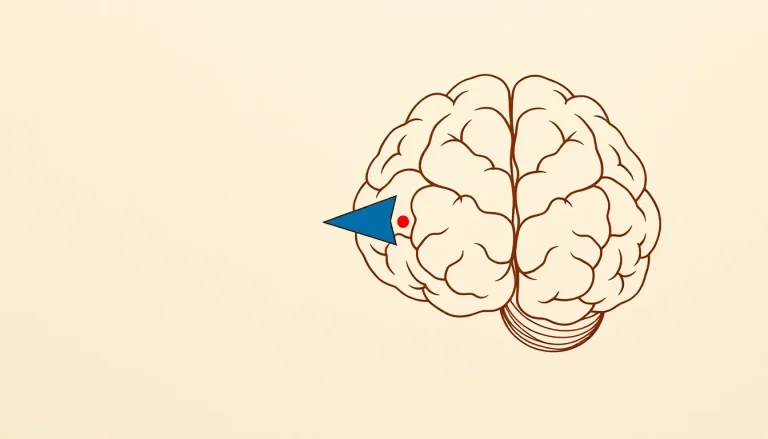
However, by applying X-ray computed tomography, they discovered another object inside the stone — a tiny flower just 1.5 mm in size. This discovery became possible thanks to high-precision scanning, which allowed them to look inside the rock without damaging it.
Key Facts About the Discovery
| Parameter | Description |
|---|---|
| Species Name | Tomlinsoniella pedicellata |
| Age | Approximately 100 million years |
| Method | 3D modeling based on virtual cross-sections |
| Source | American Journal of Botany |
The research showed that the flower’s structural plan with five concentric whorls had already formed by the mid-Cretaceous period. According to experts, this is the oldest known ancestor of modern palms.
How Reliable Are the Conclusions
This is a classic study using high-tech imaging methods. The use of computed tomography allowed scientists to literally «look inside» the rock without physically destroying it.
The conclusions about the flower’s belonging to the palm family are based on morphological analysis and comparison with modern taxa. This is not merely a correlation but a direct description of the structure; however, the classification as the «oldest palm» remains a scientific hypothesis requiring confirmation by other discoveries.
What This Means for Marketing and Advertising
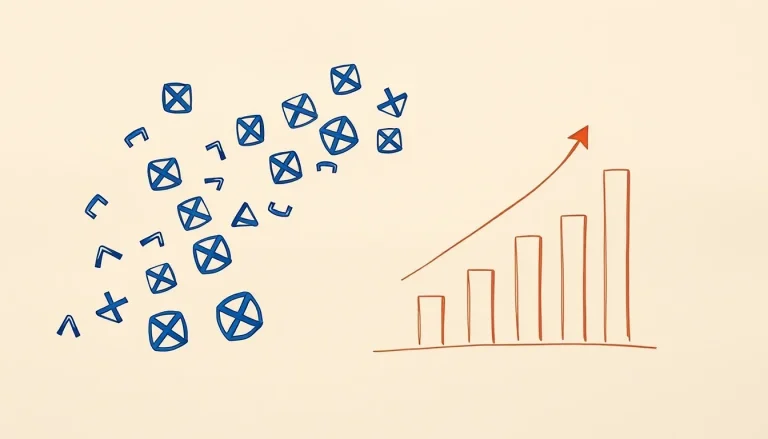
The story of Tomlinsoniella pedicellata is an excellent metaphor for modern marketing analytics. In a world where data accumulates faster than we can process it, the ability to see the hidden becomes a competitive advantage.
- Secondary data analysis: Your current reports (CRM, GA4, heat maps) may contain «hidden flowers» — insights you missed during the initial review.
- Technologies change the context: Using new tools such as AI analytics and predictive modeling allows you to see patterns that were previously invisible due to data «noise.»
- Details decide everything: Just as a 1.5-millimeter flower changes our understanding of evolution, micro-conversions on a website can radically change customer acquisition strategy.
How to Apply This Approach in Business
To find hidden «treasures» in your marketing data, follow these steps:
- Conduct a review of old data: Take reports from last year. What did you dismiss as «insignificant»?
- Use deep segmentation: Divide your audience into micro-groups. Perhaps hidden behind the overall mass is a narrow segment with anomalously high LTV (customer lifetime value).
- Change the optics: Try looking at the customer journey (CJM) through the eyes of another specialist — for example, ask your targeting specialist to analyze a designer’s funnel.
- Test the «invisible»: If a hypothesis seems too minor, verify it through an A/B test. Sometimes changing a single button yields a greater effect than a complete landing page overhaul.
Frequently Asked Questions
Why Was the Flower Not Noticed Earlier?
It was completely hidden inside the sandstone sample. Only modern computed tomography methods allowed researchers to see the internal structure without damaging the historical exhibit.
How Does This Affect Business Analytics?
This is a call for more careful study of «archival» data. We often chase new leads, forgetting to analyze already accumulated information that may contain answers to current problems.
Conclusion
The story of Tomlinsoniella pedicellata reminds us: value is often hidden in details that require the right tools to discover. Stop looking only at the surface of your reports — start searching for hidden patterns that could change your strategy.
If you want to turn your «raw» data into strategic insights, calculate the effectiveness of your current strategy with RGB Analytics right now.
Source Naked Science ↗