Multisensory Branding: How Sounds Enhance the Visual Experience
Proper multisensory branding proves that a company’s familiar visual image works many times more effectively when reinforced by touch and sound. When advertising engages coordinated signals for different sensory systems, consumers’ emotional response and overall brand memorability increase manifold.
In the era of banner blindness, traditional sensory marketing is moving to a new level. Research confirms: the human brain filters out isolated graphic stimuli but instantly responds to synchronized audiovisual experiences.
The Neurobiology of Perception: What Researchers Discovered
Russell Jones, founder of the Sensory Experiences research laboratory, presented the results of applied neurobiological research the company has been conducting for nearly twenty years. Creative Review details the laboratory’s five-year project for the automotive brand Bentley, which is preparing a new line of electric vehicles.
Most companies still limit themselves exclusively to basic attributes: fonts, color palettes, and logos. However, neuroresearch shows that the human brain perceives aesthetics holistically and inseparably.
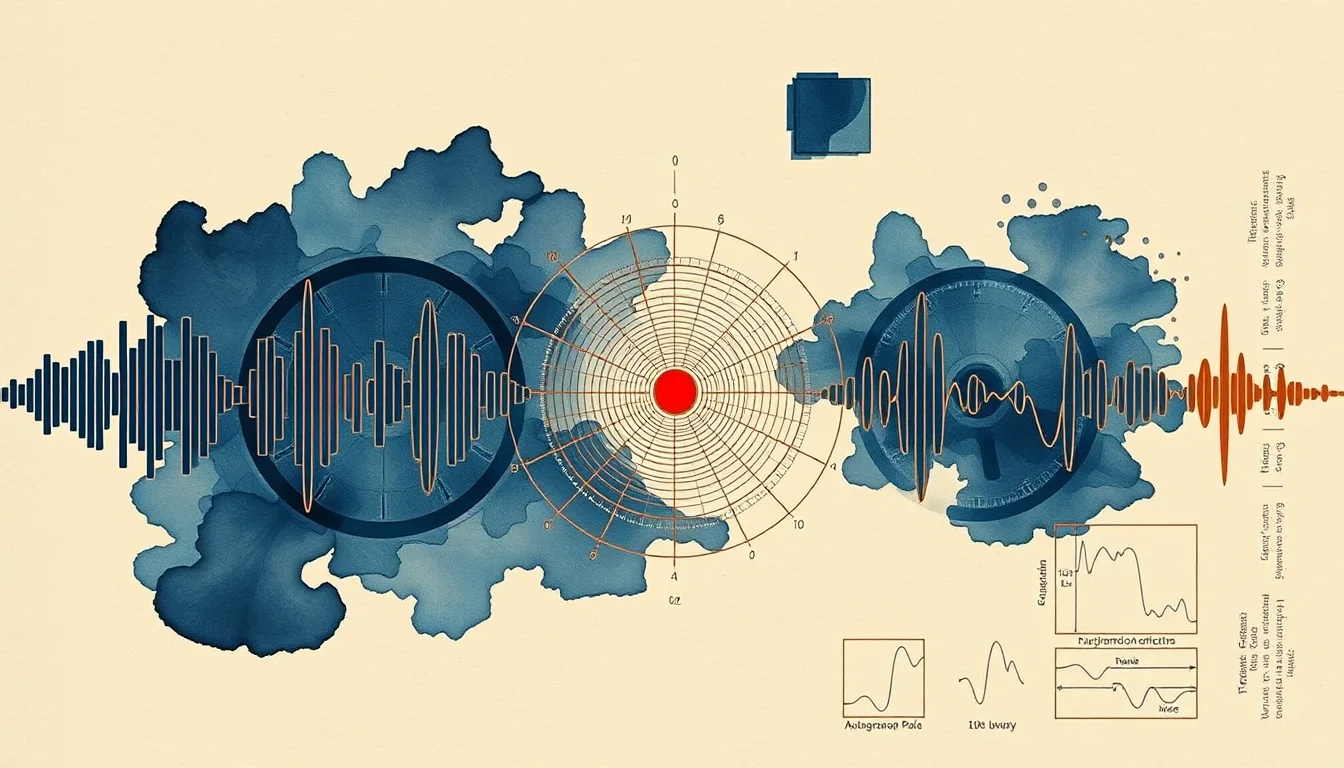
For Bentley, the team combined dynamic lighting, visual dashboard graphics, tactile feedback, and a specially synthesized V8 electric engine sound. During testing, researchers compared the perception of frequencies through parabolic speakers with live performance on percussion instruments.
How Reliable Is the Data
This case relies on applied R&D experiments in the field of consumer neuroscience and practical sensory design, not on academic meta-analysis. The exact sample size and detailed testing protocols remain a trade secret of Bentley and Sensory Experiences.
Nevertheless, twenty years of field testing demonstrate a consistent pattern: isolated visuals are significantly inferior in impact to a coordinated sensory complex.
The main limitation of the methodology is that premium-segment results (luxury cars) require mandatory adaptation when transferred to mass digital marketing.
The Value of the Sensory Approach for Advertising
For marketers, product strategists, and designers, these discoveries form new tools for managing audience attention and loyalty:
- Enhanced visual focus: when interface animation or shot-change dynamics are synchronized with micro-sounds, conversion and depth of content interaction increase noticeably.
- Identity integrity: a specific shape and color palette evoke clear auditory and tactile expectations; the slightest dissonance between them triggers subconscious rejection.
- Deep emotional attachment: coordinated multisensory associations are stored in long-term memory significantly more reliably than a static graphic layout.
Practical Application in Creatives
A full multisensory experience can be created even within standard digital formats, relying on the rules of perception psychology:
- Synchronize graphics with the sound rhythm: edit advertising video creatives so that the appearance of plates, accent buttons, and the logo lands precisely on the sound beat or click.
- Convey texture through micro-animation: if the product conveys premium quality and a matte texture, use smooth kinetics without sharp bounces and springy effects.
- Link color to physical sensation: reinforce a cool palette (metallic blue, steel) with dense geometry and dry clicks, and warm tones with soft transitions and streamlined contours.
Before / after case study: Initially, the brand’s landing page displayed a static render of a perfume bottle. After implementing sensory design principles, the developers added micro-animation of the bottle opening, accompanied by a soft rustle and the characteristic muted click of the cap. This visually enhanced the sensation of heavy glass and confirmed the product’s high status.
Frequently Asked Questions (FAQ)
What is multisensory branding in simple terms?
This is a comprehensive brand design method in which graphic style, sound design, tactile material properties, and scents are developed as an inseparable system that enhances the perceived value of the product.
Does sensory design work in static banners?
Yes, it does. The brain can instantly complete tactile and auditory sensations thanks to visual illusions of volume, refined textures, and a well-calibrated contrast of geometric shapes.
Conclusion
Modern visuals should no longer remain isolated. Thoughtful geometry, the plasticity of lines, and a contrasting palette can evoke in the user a physical sensation of contact with the brand in literally fractions of a second. To test the effectiveness of your identity and build harmonious visual communications, analyze your current creatives from the standpoint of comprehensive sensory impact.
Source Creative Review ↗