McDonald’s Nostalgic Marketing: How Y2K Sells Burgers
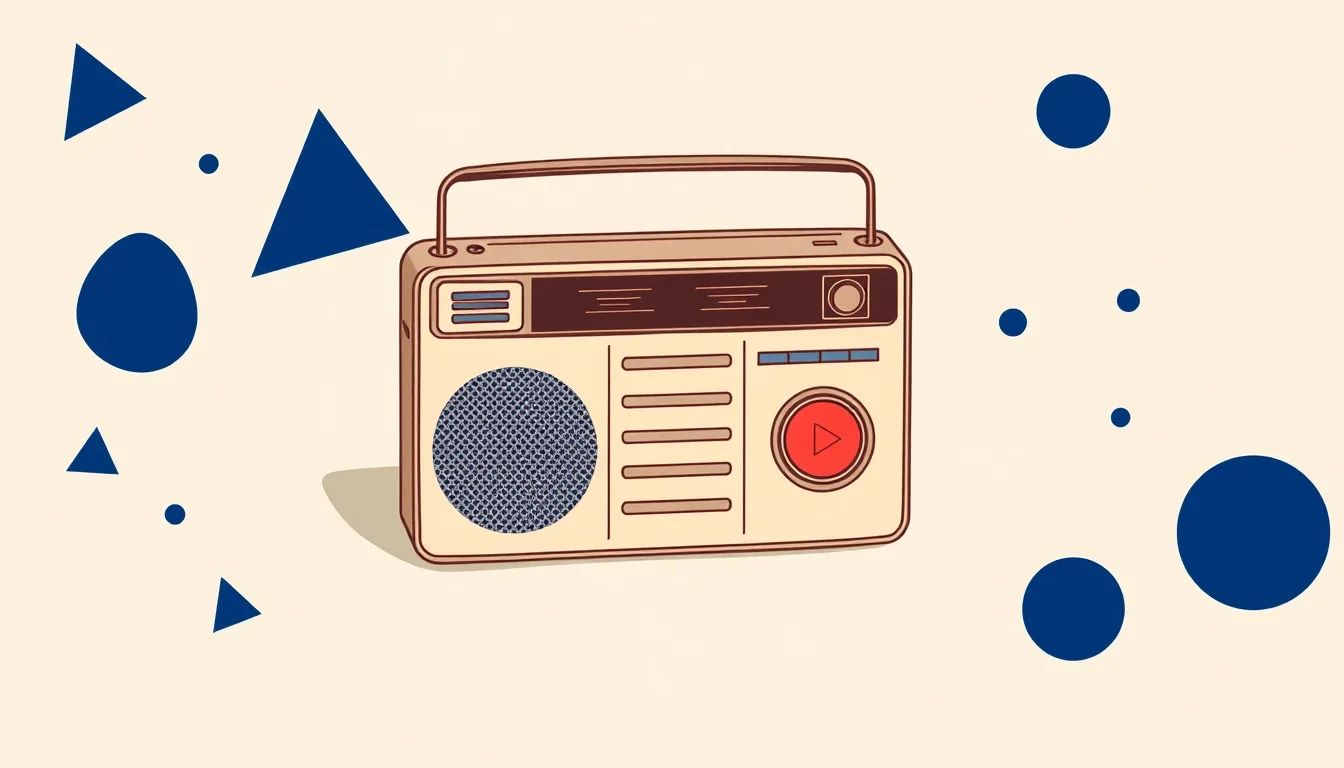
Nostalgic marketing can breathe life into even the most familiar fast-food menu: German McDonald’s launched a campaign featuring 2000s hits and retro radio, combining millennials’ emotions and Gen Z’s pull toward Y2K aesthetics. Let’s break down the mechanics of this campaign and understand how to use memories of the past to drive sales growth and strengthen loyalty.
What We Found Out
As reported by the industry publication Sostav, the German division of McDonald’s launched a large-scale promo campaign under the slogan «Endlich wieder bei Mecces» («Finally back at McDonald’s»). The brand bet on retro triggers and a collecting mechanic.
The activation was built on the following solutions:
- Collectible mini radios: five physical gadgets, each of which plays a 30-second snippet of a pop hit from the 2000s (e.g., Britney Spears — Toxic or Avril Lavigne — Sk8er Boi).
- Return of cult favorites: the menu temporarily brought back the 1955 Burger, McCrispy 1955, McVeggie Smoky, cheese triangles, Curly Fries, and the legendary McFarmer, absent for over 10 years.
- Interactive gaming: by scanning the QR code on the radio, users land on a quiz about 2000s pop culture. Correctly answering 5 questions gives a chance to win exclusive retro merch.
How Credible Is This
This is not a laboratory academic study, but an applied business case from a global retail leader. The agency has not yet disclosed direct effectiveness metrics (ROI, revenue growth in percent), so we can judge success by the proven mechanics on which the project is built.
The limitation here is obvious: nostalgia works in a targeted manner. If you miss the generational trigger or mix up the cultural codes of different decades, the campaign will cause bewilderment instead of warm memories. But for McDonald’s, such an approach is a proven tool for repeat sales.
What This Means for Advertising
The case vividly demonstrates several marketing laws applicable in any business:
- Physical-digital link (Phygital): the miniature toy radio stimulates an impulsive offline purchase, while the QR code on it instantly leads the user to the mobile app.
- Working with two segments at once: millennials buy out of a feeling of bright sadness for their youth, while Gen Z buys for the trendy Y2K aesthetic and social media content.
- LTO (Limited Time Offer) as a driver of urgency: bringing back old dishes for a limited time boosts situational demand more strongly than launching new items from scratch.
How RGB-Analytics Accounts for This
In RGB-Analytics methodology, nostalgia is not just «sweet memories» but a clear psychological driver tied to the balance between safety and vivid emotions. Recognizable images of the past lower the level of critical perception of the brand and raise baseline trust.
The presentation changes radically depending on the audience’s psychotype:
| Spectrum | Key Focus |
|---|---|
| Blue | Rationality: original recipes, ingredient quality, transparent terms. |
| Red | Status: exclusive merch, hunting for rare items, being first in the collection. |
| Green | Emotions: warm lamp-lit associations, comfort, carefree youth. |
How to Apply It
Here are a few steps you can implement in your ad combos today:
- Find your generation’s anchors: identify songs, phrases, visual markers, or formats that were at their peak when your customers were 15–20 years old.
- Use the «Before / After» format: show the evolution of your product or bring back an old sales hit under the guise of a limited vintage edition.
- Introduce a tactile souvenir: even in the digital age, a small physical detail (a sticker, a retro pin, a postcard) multiplies brand memorability.
- Loop the mechanic through the app: any offline artifact should lead to an interaction — a test, a quiz, or a personalized discount on the next order.
Frequently Asked Questions
Why Are Gen Z Attracted to 2000s Aesthetics If They Don’t Remember Them?
For Gen Z, the Y2K era is a romanticized visual style: bold colors, analog technologies, and naive pop design that stands out favorably against today’s sterile minimalism.
Will Nostalgic Marketing Work for Complex B2B?
Yes, but the triggers will be different. Instead of teenage music, use nostalgia for the early internet, the first cult interfaces, or old professional tools of your field.
For creatives to hit the target precisely, it’s important to rely not on intuition but on the client’s psychographic profile. Discover the true triggers and set the right tone of communication — try calculating your audience’s portrait in RGB-Analytics right now.
Source Sostav.ru ↗