How sleep changes the brain: neurobiologists’ insights for marketers
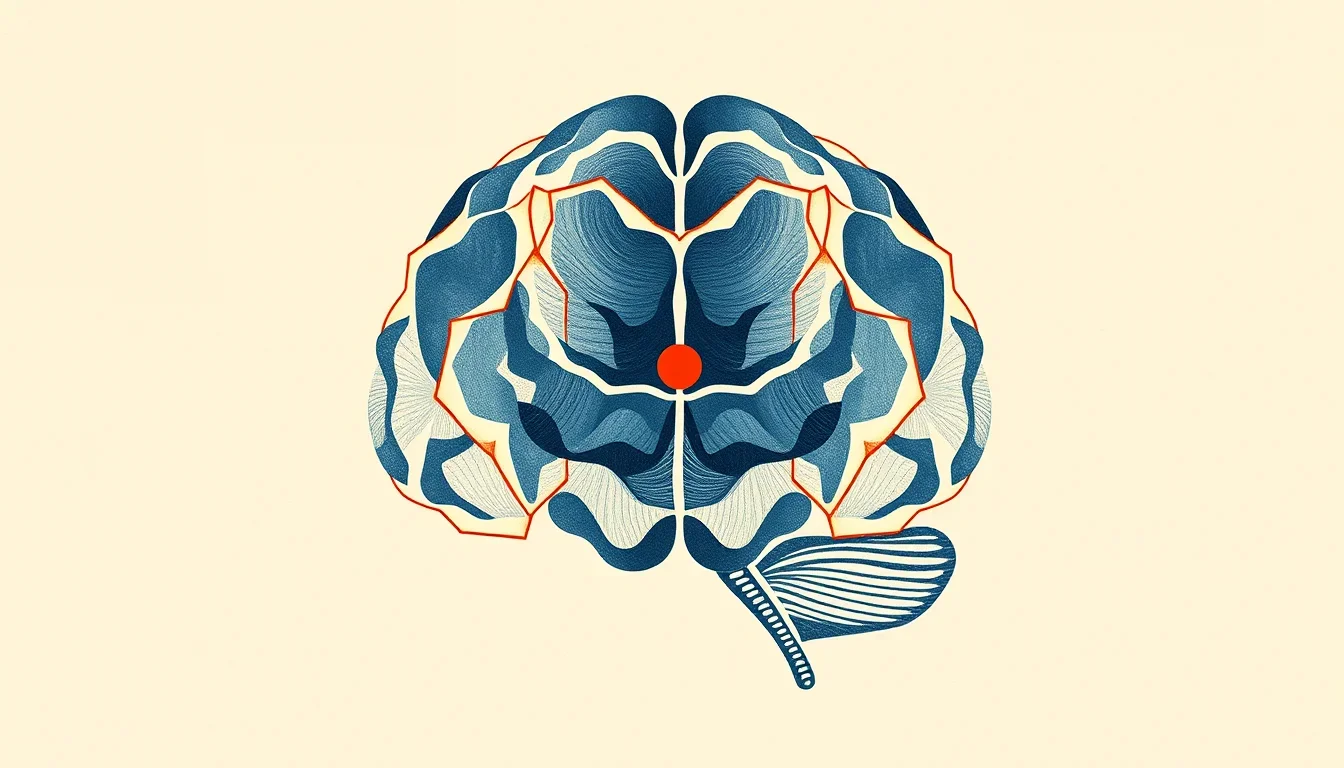
Research shows that sleep disorders physically alter brain regions responsible for decision-making and concentration. For marketers, this means one thing: your audience may be mentally «exhausted», which requires content adaptation for reduced cognitive resources. Understanding the neurobiological foundations of consumer behavior becomes a key advantage in the era of information overload.
What neurobiologists have discovered
A team of researchers from Florida International University (FIU) conducted a large-scale meta-analysis published in the journal Scientific Reports. The researchers combined data from 57 MRI studies to understand how insomnia, apnea, and parasomnias (sleepwalking, nightmares) affect brain structure.
- General effect: Patients with any sleep disorders showed a decrease in thalamic volume, specifically the pulvinar thalamus. This area is critical for attention control and filtering incoming signals.
- Parasomnia specificity: Changes were found in the posterior cingulate cortex, which is responsible for motivation and emotional regulation, in people with sleep behavior disorders.
How reliable is this
This is a meta-analysis, which makes its conclusions significant as it covers a large sample size. However, it is important to understand: this is a correlational study. We see a link between brain structure and sleep quality, but for now, we cannot say with 100% certainty that lack of sleep «shrinks» brain areas, or vice versa—that people with certain neurophysiological features are more prone to sleep disorders.
What this means for advertising
If your audience suffers from a lack of quality rest, their «attention filters» work worse. This leads to a number of changes in consumer behavior:
- Decreased cognitive control: It is harder for the client to analyze complex offers, compare technical specifications, or read long-form articles.
- Emotional reactivity: Due to the impact on emotional zones (especially with parasomnias) the audience reacts more sharply to triggers that induce fear or false urgency.
- Choice difficulties: When the thalamus is overloaded, people tend to choose the usual or simplest solution to avoid «mental effort».
How to apply this data in marketing
Aleksey Bogdanovich, founder of RGB Analytics, recommends the following steps for adapting creatives for the «tired brain»:
- Simplify the visuals: Remove unnecessary details. If attention is «scattered», your main offer should be readable in 0.5 seconds.
- Focus on «effort reduction»: Instead of long descriptions, use lists and benefits that save the client’s time. The phrase «we’ll do everything for you» works better than a «10-step instruction».
- Manage the tone: If you are working with an audience prone to stress, avoid aggressive marketing. Use a calm color palette that reduces cognitive load.
How RGB Analytics takes this into account
In our system, we evaluate delivery through the scales of «Cognitive Complexity» and «Emotional Driver». If your product is aimed at an audience that is inherently tired (for example, young parents or managers), the system will suggest how to lower the barrier to entry into the ad. We help strike a balance between informativeness and simplicity of perception, so that even a «tired brain» accepts your offer.
Calculate the delivery for your audience here.
Frequently Asked Questions
Why is this important for a targeting specialist?
Understanding how attention works allows you to reduce the cost per click (CPC) by making the creative as «clear» as possible to the brain without extra effort.
Does this mean that long texts no longer work?
No, but they should be structured so that key ideas stand out visually. Respect your client’s cognitive resources.
The study confirms: brain physiology dictates the rules of content consumption. Don’t make the client think where a ready-made solution can be provided.
Ready to optimize your campaigns for the neurophysiology of your audience? Start by analyzing your current creatives today.
Source ScienceDaily: Neuroscience ↗