Ultra-Processed Food and the Brain: Why Are Children Gaining Weight?
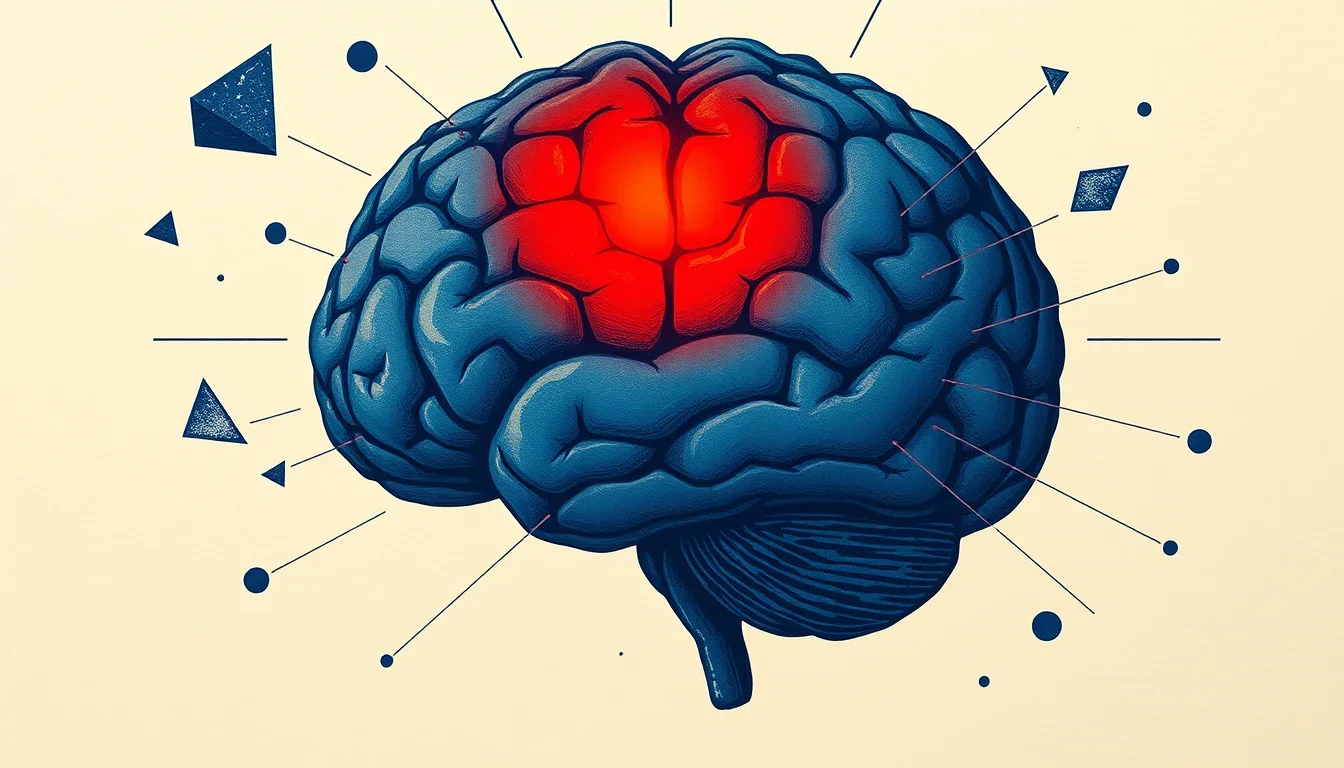
Ultra-processed food and the brain is not just a question of dietetics, but a fundamental problem of neuromarketing, explaining why children gain weight and how their eating habits are formed. New research shows that regular consumption of highly processed products changes the response of the brain’s «reward system,» making consumers more susceptible to aggressive marketing stimuli.
What Scientists Found
A team of researchers from the Keck School of Medicine at the University of Southern California (USC) published the results of a study in JAMA Network Open. The experiment involved 46 children, aged 7 to 10 years, who initially had a healthy body weight.
Methodology and Key Findings
- Methodology: Scientists used a combination of brain MRI scans, detailed dietary assessments, and precise body composition measurements.
- Key Factor: Children whose diets were rich in ultra-processed foods (breakfast cereals, packaged soups, long-shelf-life bread) showed increased activity in the dorsal striatum—the area of the brain responsible for motivation and reward anticipation.
- Results: One year later, these same children recorded higher BMI and body fat percentages, confirming the link between neurobiological response and physical condition.
How Much to Believe This
It is important to understand that this is an observational study, which identifies correlation rather than direct causation. The limitation is that the data does not prove that the food itself «rewires» the brain, although it offers a logical biological explanation.
Despite the small sample size (46 people), the use of MRI data gives the findings high scientific significance and opens new horizons in understanding food behavior.
What This Means for Advertising
Understanding the neurobiological mechanisms of «addiction» to products gives marketers serious food for thought regarding social responsibility and communication effectiveness:
- Trigger Marketing: The use of visual food imagery (food porn) triggers a stronger dopamine response in a «primed» audience.
- Trust and Ethics: Consumers are becoming increasingly sensitive to product composition. Brands that bet on naturalness win in the long term through loyalty formation based on health.
- Conversion: Products that are «easy to buy and quick to eat» have a default advantage in the battle for the buyer’s impulsive attention.
How to Apply This Data in Marketing
If your product belongs to the «fast consumption» category, use this knowledge for correct positioning and improving communication quality:

| Strategy | Recommendation |
|---|---|
| Focus on Benefit | Instead of selling only «pleasure,» add information about natural ingredients. |
| Visual Imagery | Show the preparation process to reduce the perception of being «ultra-processed.» |
| Offer Refinement | Transform «Tasty and Fast» into «Natural composition that provides energy without excess sugars.» |
| Transparency | Place the ingredients list in a prominent position on the landing page to increase trust among conscious audiences. |
Frequently Asked Questions
Is this study proof of harm caused by specific brands?
No, the study focuses on the «ultra-processed products» category as a whole, rather than the products of specific companies.
Can the brain’s response be changed?
The authors of the study suggest that changing the diet toward minimally processed products can positively influence eating habits and brain response in the future.
Conclusion
The study confirms: what we eat in childhood changes how the brain works, making us more susceptible to certain products. For business, this is a signal—it is time to move from aggressive appetite stimulation to building honest relationships with the customer. Want to adapt your presentation to the psychological characteristics of your audience? Calculate the effectiveness of your creatives in RGB-Analytics and learn how to make your offer more convincing.
Source ScienceDaily: Behavior ↗