The Psychology of Shock Value: What the Rock DJ Video Says About Attention Marketing
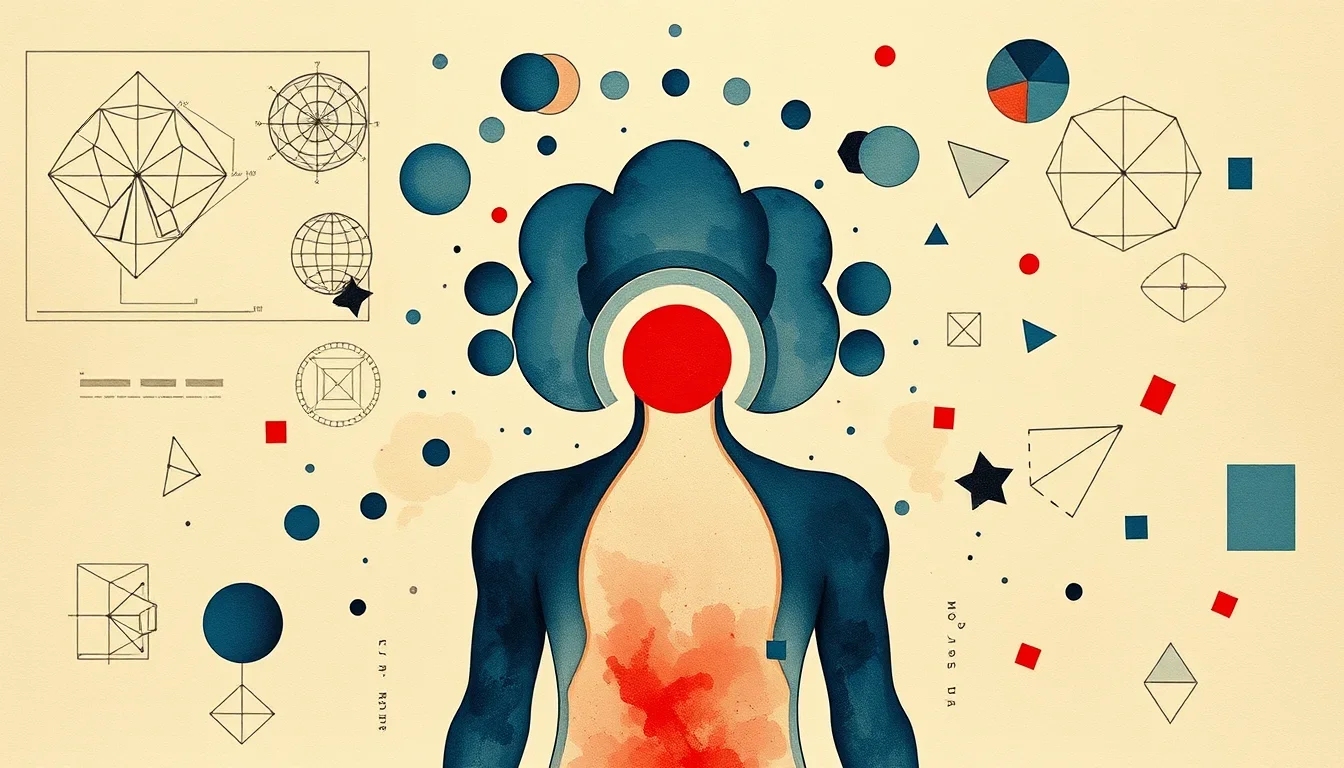
the psychology of shock value and the use of shocking content is a powerful tool that helps brands break through the information noise and embed themselves in consumers’ memory. The story of the creation of Robbie Williams’ «Rock DJ» video, told by director Vaughan Arnell for Creative Review, serves as a benchmark masterclass in managing audience attention in an oversaturated market.
Anatomy of a Scandal: What We Learned from the Case
In 2000, director Vaughan Arnell and Robbie Williams released a video that is still considered the benchmark of provocation in pop culture. The plot begins as a typical disco fantasy but quickly transforms into a surreal performance in which the artist literally strips off his skin and muscles to impress those around him.
Key Success Metrics
| Parameter | Result |
|---|---|
| Reach | Exponential growth driven by bans and censorship on MTV |
| Recognition | Award for «Best Special Effects» (MTV VMA) and «Best British Video» (Brit Awards) |
| Strategy | The culmination of a visual style that defined an era |
How Much Can We Trust This: An Effectiveness Analysis
This material is not a scientific study but a case study — a retrospective analysis of the creative process. There is no statistical sample here, but there is a confirmed fact: deliberate risk and taboo violation in 2000 brought colossal media reach.
It’s important to understand: this is an example of «survivorship bias.» Arnell is a professional with decades of experience, and his success became possible thanks to a combination of intuition, high production quality, and a precise understanding of where the boundary of what’s acceptable to the mass viewer lies.
What This Means for Modern Advertising
This case teaches marketers three fundamental principles of working with attention:
- The boundaries of attention: To stand out in a «noisy» field, a brand must offer content that goes beyond habitual consumption patterns.
- The censorship effect: External restrictions, such as platform refusals or user complaints, often work as free PR if your content triggers a strong emotional reaction.
- Visual identity: Even the most shocking content only works when it is conceptually tied to the artist’s image or the brand’s values.
How to Apply It: Steps for Your Creative
You don’t have to use radical methods to attract a customer. Here’s how to adapt the psychology of shock value for business:
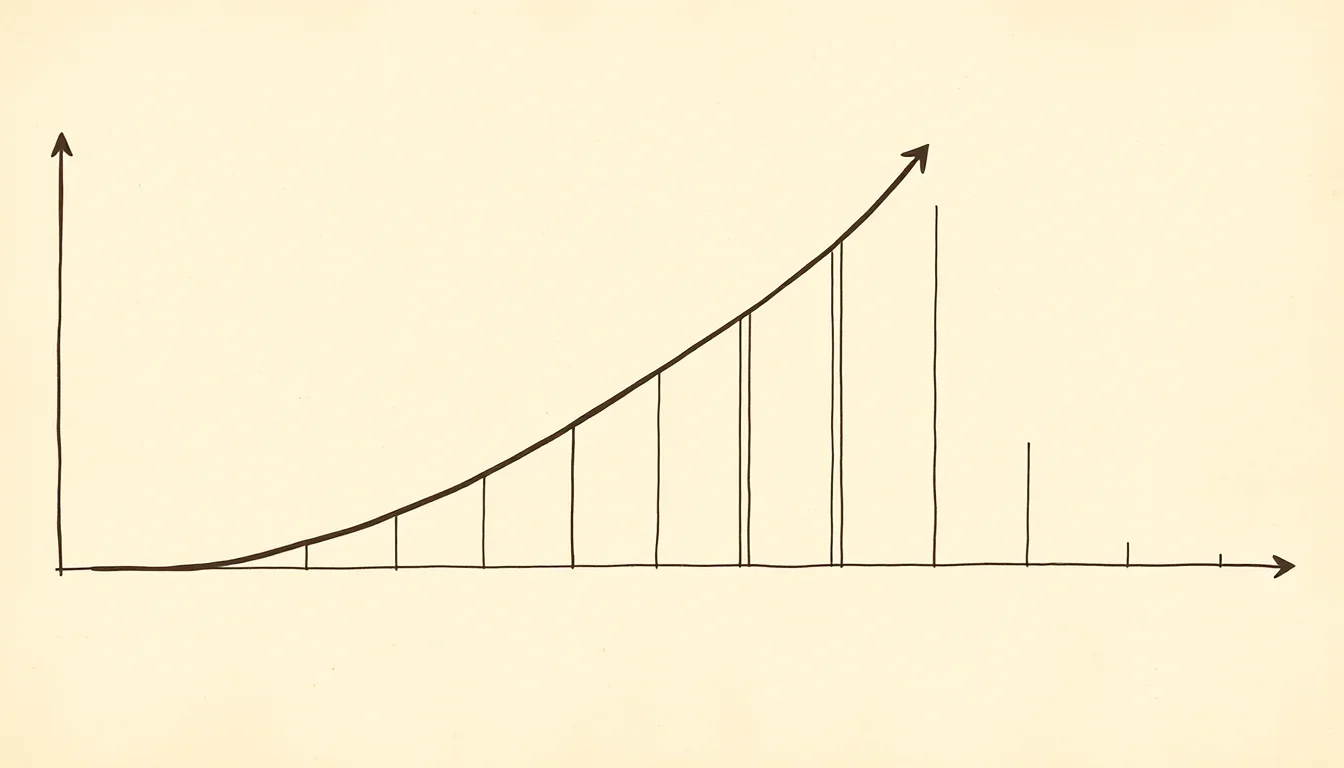
- Use a «pattern break»: Start the creative with an expected scenario, then sharply change the narrative vector after 3 seconds.
- Work with «uncomfortable» topics: Find what is usually kept silent about in your niche and highlight it through humor or grotesque.
- Focus on quality: High-quality visuals justify even the strangest concept. If the creative looks «cheap», shock turns into irritation.
- Test the boundaries: If your content causes mild discomfort but still looks professional — you’re on the right path to viral reach.
Frequently Asked Questions
Is shock always good for a brand?
No. Shock for shock’s sake triggers rejection. It’s effective only if it reinforces your brand’s existing values and resonates with audience expectations.
How to tell where the line is between creative and «overdoing it»?
Focus on your target audience. If your client is a conservative B2B segment, excessive grotesque can damage your reputation.
Can this method be used in performance marketing?
Yes, as a first-touch creative. However, be prepared that a high CTR may require a calmer, more persuasive landing page for conversion.
Conclusion
The story of «Rock DJ» is a reminder that boldness in creative work is often rewarded with attention. However, it’s important to know your audience and not cross the line where trust begins to erode. Want to understand which approach will work for your clients without turning into a «bloody spectacle»? Let’s calculate the strategy at RGB-Аналитика.
Source Creative Review ↗