The Presence Effect: How the «Worst Route» Changes Attitude Toward a Brand
The Presence Effect: How the «Worst Route» Changes Attitude Toward a Brand
To make the audience truly empathize with a problem, simply showing statistics is not enough — people need to be given the opportunity to see the destruction with their own eyes. The presence effect in marketing is becoming a key tool for brands seeking to overcome advertising «blindness.» The Fireside agency proved this by turning an environmental protest into an immersive experience that is impossible to ignore.
What was discovered: the case of The Great Victorian Fckery Trail
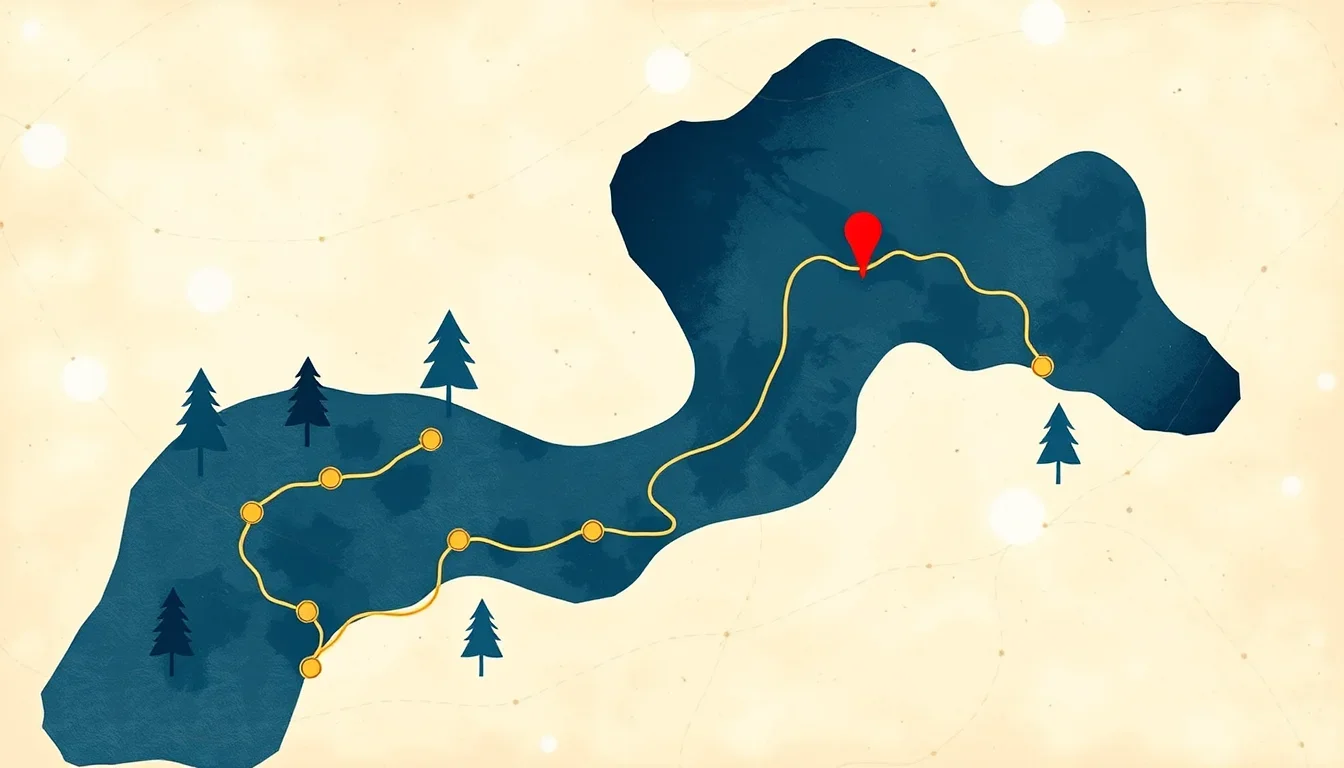
The Fireside agency, in collaboration with the Victorians for Nature coalition, developed a project that fundamentally changes the approach to environmental communication. Ahead of the elections in the state of Victoria (Australia), they created the «worst tourist trail on Earth,» available in the AllTrails app.
The project reveals how a 45-kilometer path leads users through 21 points where real ecological disasters have been documented: felled forests, destroyed pastures, and zones of wildlife death. This turns an abstract problem into a tangible experience.
Key project parameters
- Scale: 45 kilometers, divided into 5 sections.
- Interactivity: 21 points with descriptions of specific damage in the app.
- Goal: to translate abstract concern for nature into concrete action — appeals to election candidates.
How credible is this
This project is a vivid example of storytelling activation — experimental marketing aimed at shifting the paradigm of perception. This is not a sociological study with a sample, but a case of empirical impact.
Its success is based on the psychology of the «presence effect»: when a person is physically present at the scene of events, their level of emotional engagement and readiness to act increases many times over compared to viewing an advertising banner or reading a social media post.
What this means for advertising
For marketers and business owners, this case carries three important takeaways:
- Abstraction doesn’t sell: Consumers are tired of «the environmental agenda in theory.» They need context they can «touch.»
- Experience matters more than content: The shift from a «read and forget» format to a «come and see» format creates a long-term connection with the brand or idea.
- Conversion through action: By giving the user a tool for independent exploration, you increase the likelihood that they will carry the journey through to its logical conclusion — an appeal to government representatives or a product purchase.
How to apply it: from theory to practice
You can adapt this approach for any business, whether B2B or B2C. Here is a step-by-step implementation plan:
- Find the customer’s «pain point«: Instead of describing the product’s benefits, show what happens when the customer does NOT use your solution.
- Create a journey: Design your offer as a sequence of steps or «pain points» that the customer must go through to realize the need for change.
- Use familiar tools: Fireside used AllTrails; you can use Google Maps, interactive PDF guides, or chatbots for a «tour» of your product.
- «Before/After» example: Instead of sending a message saying «Our service increases efficiency,» create a «Route through your losses» — 5 points in the CRM where the business loses money due to lack of automation.
| Method | Traditional approach | Immersive approach |
|---|---|---|
| Information delivery | Statistics and charts | Personal experience and exploration |
| Role of the customer | Passive observer | Active participant |
| Result | Awareness | Emotional engagement |
Frequently Asked Questions
Why does immersive marketing work better than standard advertising?
Because it moves the consumer from the role of passive observer to active participant, which significantly reduces the level of advertising «blindness» and increases trust.
Is this method suitable for small businesses?
Absolutely. You can create a simple interactive map, checklist, or quest that helps the customer see the problem in their own business or household.
Conclusion
The Fireside case teaches us that the best way to persuade an audience is not loud words but creating conditions for personal discovery. Effective marketing today is built on engagement, not broadcasting. Want to implement similar mechanics into your strategy? We at RGB-Аналитика will help you calculate the optimal presentation for your target audience and turn your communication into a memorable experience. Contact us today to begin the transformation of your brand.
Source Creative Review ↗