How a Legal Precedent is Changing the Rules of the Game in Content Marketing
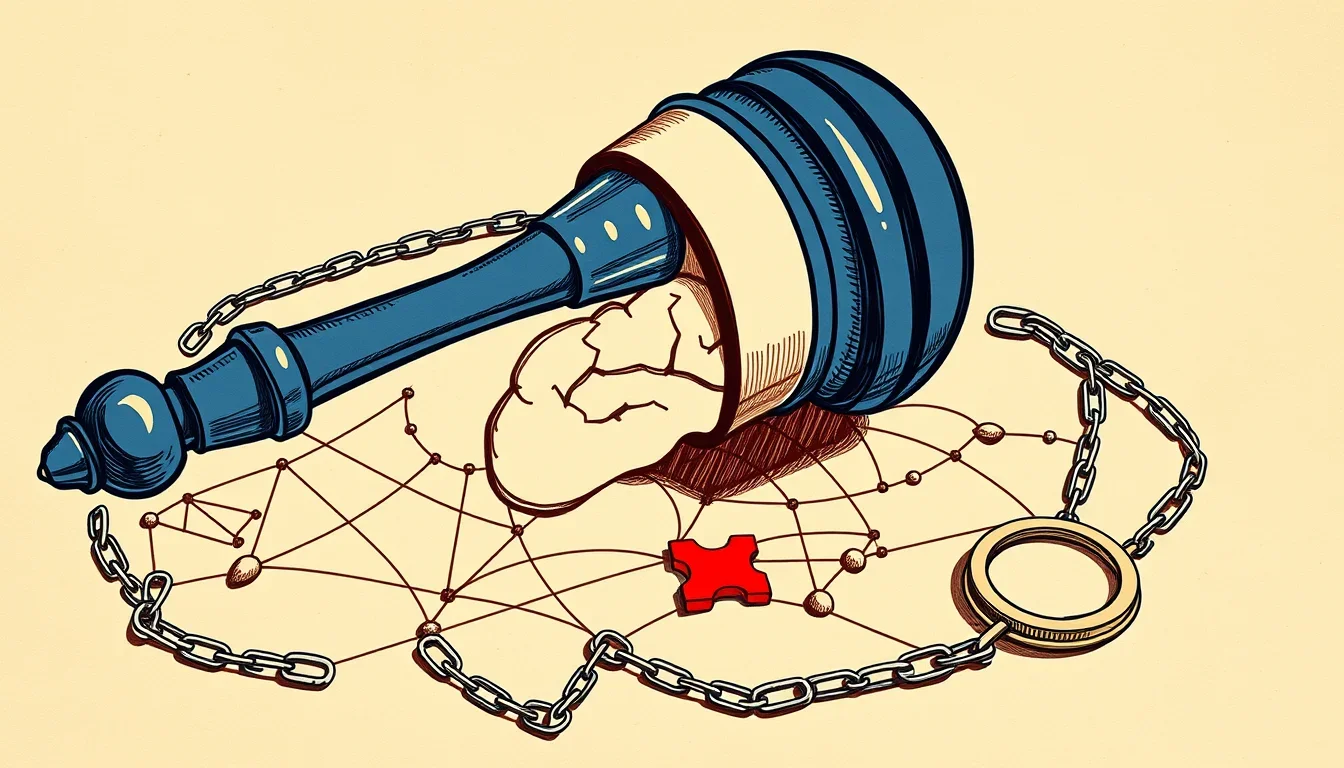
Legal precedent related to illegal filming at a production facility is fundamentally changing the rules of the game in content marketing and brand communication strategies. The High Court of Australia’s decision regarding filming at an abattoir clearly demonstrated: copyright can no longer be used as a tool for censorship to hide inconvenient truths. For businesses, this means that attempts to block information through legal restrictions can result in catastrophic reputational losses.
What the experts found
A group of activists from Farm Transparency International entered the premises of the Game Meats Company slaughterhouse to set up hidden cameras. The footage obtained, they claimed, proved animal cruelty. The company attempted to claim copyright over this video footage to prevent its distribution in the media. A detailed analysis of the case was published in The Conversation.
Key aspects of the case
- The essence of the dispute: Can a company own the copyright to video filmed illegally on its property in order to block its publication?
- The court’s verdict: The activists are required to destroy copies of the recordings, however, the court denied the company the transfer of copyright.
- Why it matters: Judges feared that transferring the rights would allow businesses to file lawsuits against any media outlet or citizen distributing information that serves the public interest.
How much to believe this
This High Court decision is a precedent and has a direct impact on legislation. The study of the legal consequences, conducted by experts Liz Hicks and Lev Bromberg, is based on official court transcripts. It is important to understand: the court did not justify the illegal trespass (the activists were punished for trespassing), but clearly delineated the right of property ownership from the right of society to access information of public significance.
What this means for advertising
For brands, this case is a signal that a «silencing» strategy does not work in the digital age. In a highly competitive environment, reputation management requires different approaches.
If truthful information harms a business only because consumers change their minds upon learning the facts, it is not damage, but the functioning of democracy.
- Transparency as a standard: Attempting to hide product flaws or production process issues through legal pressure now looks like an admission of guilt.
- The risk of the «Streisand effect»: Attempting to ban content often makes it even more popular. Today’s consumer values authenticity more than a flawless facade.
- Trust is more important than control: If your brand is afraid that «production footage» will scare away customers, the problem is not the video, but the production itself.
How to apply the principles of transparency
Instead of fighting criticism in the legal field, use the principles of radical transparency:

- Work proactively: If you have vulnerable spots in your processes, be the first to talk about them. Become a source of information rather than the subject of an investigation.
- Adapt your content: Instead of glossy commercials, use a «behind the scenes» format. Show real people and real processes.
- The «before/after» example: Instead of deleting negative reviews or attempting to block criticism, respond to them publicly.
| Situation | Outdated approach | Modern approach |
|---|---|---|
| Negative review | Deletion and blocking | Detailed response with a plan for improvements |
Frequently Asked Questions
Can a company prohibit the publication of video taken on its office premises?
The court confirmed that private property does not grant an automatic right to prohibit the dissemination of information if it is in the public interest. However, this does not override laws regarding trespassing or privacy.
Does this mean you can film anything?
No. The participants in the case were punished for illegal trespass. The court’s decision only concerns who owns the rights to the created media content.
Conclusion
The Game Meats case serves as a reminder: in modern marketing, audience trust is built on openness. Attempts to use legal tools to hide the truth today look like an attack on freedom of speech, which only intensifies the negativity. Need help building a strategy for honest communication with your audience? Calculate your strategy at RGB-Analytica and find an approach that inspires trust rather than suspicion.