Egocentrism in Advertising: How Social Sensitivity Changes Choice
Egocentrism in Advertising: How Social Sensitivity Changes Choice
Egocentrism in advertising doesn’t work for everyone: people with developed social sensitivity are less self-absorbed and respond faster to benefits for others. If you sell a product to altruists through egoistic triggers like «only for you,» conversion will inevitably drop. Understanding how cognitive biases depend on audience psychotype is key to creating truly effective marketing campaigns.
What researchers found
Scientists Marius Golubickis from the UAE University together with colleagues from the University of Aberdeen in Scotland conducted an experiment to find out how personality traits affect cognitive «self-bias». In the study, published in the journal Consciousness and Cognition, 100 adult volunteers participated.
Experiment methodology
Participants performed two key tasks:
- Social sensitivity test: choosing an item from a set (e.g., one unique and three identical). Leaving the unique item for the partner was considered a sign of caring about someone else’s choice.
- Classification speed test: participants were given ownership markers (pens belonged to them, pencils — to their best friend) and the speed of their identification on screen was measured.
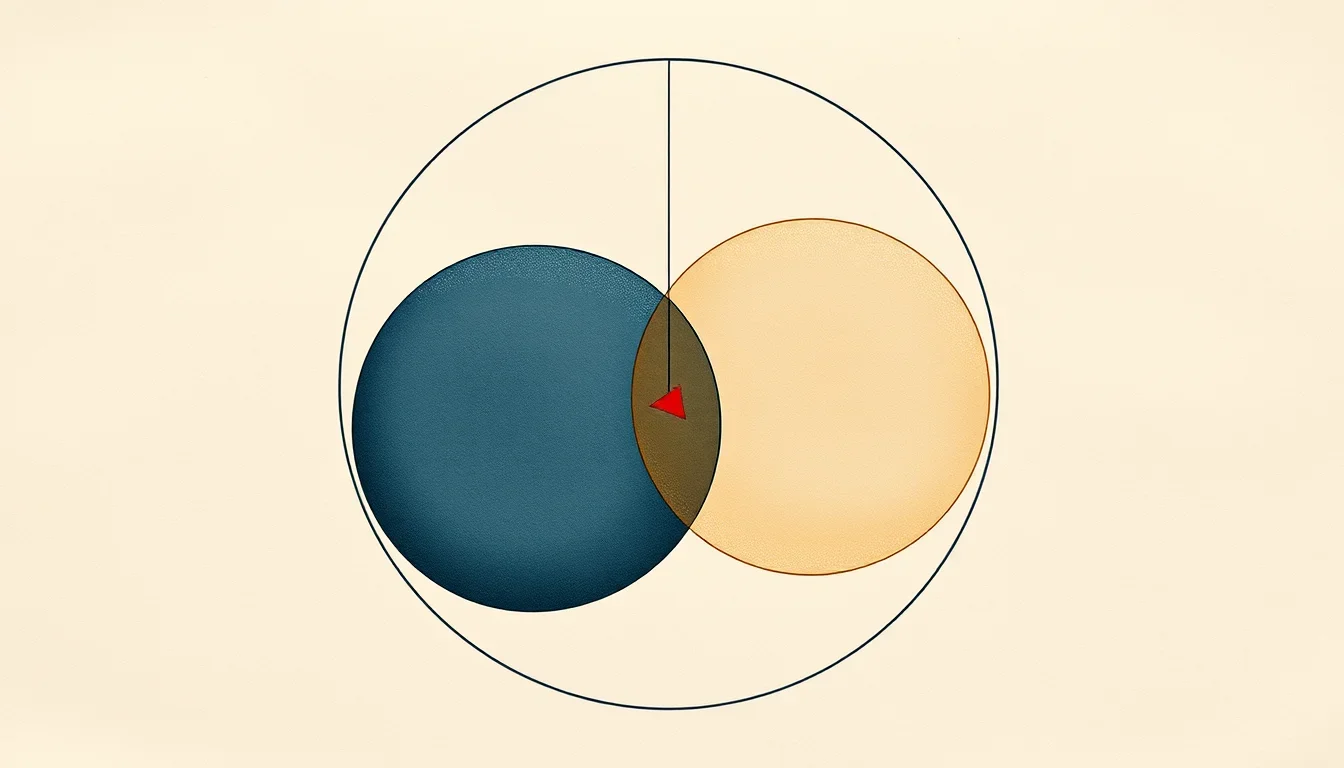
On average, people recognized «their» things faster (542 ms vs 557 ms) and more accurately (94% vs 92%), confirming the basic egocentric bias. However, among participants with a high level of social sensitivity, this difference practically disappeared: empathy explained up to 11% of accuracy and 5% of reaction speed in favor of the friend’s items. Mathematical modeling proved: sensitive people are less likely to automatically assume «it’s all mine» before evaluating the situation.
How credible is this
This is a laboratory behavioral experiment using computational modeling of decision-making processes. It is important to consider the study’s limitations:
- The sample is modest (91 people after filtering) and homogeneous — all participants lived in the UK, where cultural norms encourage politeness.
- The study is correlational in nature. It proves a stable connection but not a direct causal relationship.
- Mundane items (pens and pencils) were tested — the reaction to expensive status purchases such as real estate or cars may differ.
What this means for advertising
In marketing, it is customary to focus on egocentric incentives: personalization, exclusivity, and personal gain. The data show the limits of this strategy:
| Factor | Impact on empathetic audience |
|---|---|
| Value-based segmentation | The audience (volunteers, teachers, doctors) reads egoistic offers more slowly. |
| Clickbait «only for me» | Headlines like «Take yours» cause rejection and reduce trust. |
| Focus on benefit | Conversion is increased by the context of relationships, family, and team. |
How to apply in creatives
If you are targeting segments where caring for others is important, restructure the presentation of offers and visuals:
- Rewrite headlines: replace hard positioning of personal gain with inclusive benefit.
- Add «share» options: mechanics like «buy for yourself and give a friend a discount» hit the mark.
- Show interaction in visuals: instead of a lone hero with a product, show the process of shared use.
Example for an online time management course:
Was (egocentric): «Free up 3 hours a day for yourself and get ahead of colleagues».
Now (socially sensitive): «Free up 3 hours a day to spend more time with family and support the team without burnout».
Frequently asked questions
What is «self-bias» in simple terms?
This is an automatic brain reaction that makes us notice faster, remember better, and consider more important everything related to us personally.
Does this mean personalization no longer works?
No, personalization works, but its vector must change. Sensitive people respond well to being addressed if the offer helps them care for their surroundings.
Conclusion
The automatic «me first» filter is weaker in those who are used to considering the interests of others. Imposing aggressive exclusivity on empathetic segments, the business loses leads. Want to know exactly which psychological triggers will resonate with your segment? Test hypotheses and communication tone through RGB-Аналитики services — you can calculate the optimal message profile in advance and increase the effectiveness of your campaigns today.
Source PsyPost ↗