Color Psychology and Addiction: How Social Media Design Affects Us
Color Psychology and Addiction: How Social Media Design Affects Us
Color psychology and interface mechanics play a key role in retaining user attention, as confirmed by recent litigation around Meta*. Understanding how visual stimuli shape habits is becoming critically important for ethical marketing and creating sustainable audience engagement strategies.
What the Experts Found
According to Reuters, Meta* settled a lawsuit from an 18-year-old U.S. resident who accused the platforms of causing addiction. The essence of the claims concerns the use of algorithms and visual triggers that provoke compulsive social media use.
It is important to note that this is just one in a series of lawsuits: previously, similar claims were filed against TikTok, YouTube, and Snap. Court practice has already led to serious consequences, including a $567 million fine in New Mexico to fund adolescent mental health programs.
How Much of This to Believe
The data is based on legal precedents and materials from court cases. It is important to understand that settling a lawsuit out of court is not an admission of guilt on the part of corporations. However, the frequency of such lawsuits points to a systemic problem in UX design.
Experts link this problem to the «dopamine loop,» reinforced by bright color accents, notifications, and endless feed scrolling. Below is a table illustrating the impact of visual elements on the user’s psychological state:
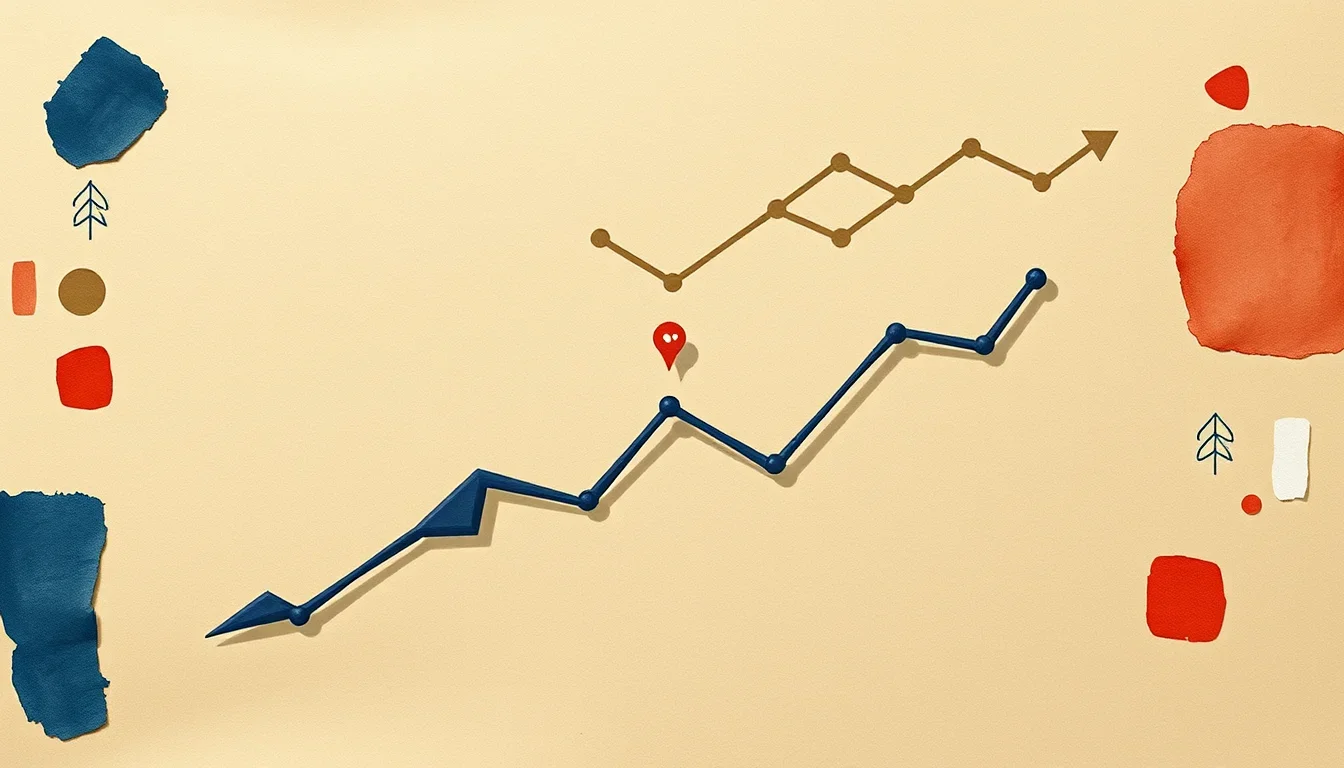
| Design Element | Psychological Effect | User Risk |
|---|---|---|
| Red notifications | Urgency, anxiety | Compulsive checking |
| Infinite scroll | Loss of sense of time | Digital addiction |
| High contrast | Hyperstimulation | Cognitive exhaustion |
What This Means for Advertising
- Attention retention through color: Using contrasting colors in interface elements (e.g., red notification «bubbles») directly affects user reaction speed.
- Brand trust: Aggressive visual techniques that cause habituation can negatively affect audience loyalty in the long term.
- Design ethics: Marketers must balance conversion effectiveness with the client’s psychological comfort to avoid reputational risks.
How to Apply This Knowledge in Practice
- Soften the color palette: Avoid «toxic» combinations that cause anxiety in favor of calmer shades if your goal is long-term retention rather than impulsive purchases.
- Control over triggers: Reconsider the use of bright call-to-action (CTA) buttons. They should help the user, not force them to act through psychological pressure.
- Offer transparency: Clearly indicate the product’s value so the user makes a conscious choice rather than acting under the influence of visual manipulations.
Frequently Asked Questions
Why does color affect behavior in social media so strongly?
Color is the first signal the brain reads. High saturation and contrast activate the limbic system, responsible for emotions and quick reactions.
How to create a design that doesn’t «depend» on manipulations?
Focus on UX architecture that eases the user’s path to their goal, rather than creating endless content consumption cycles.
Conclusion
Research shows that the visual environment directly affects users’ mental state. For your brand to be perceived as reliable and ethical, it is important to choose the right visual presentation. You can calculate the optimal parameters of your creative in RGB-Analytics to find a balance between high conversion and respect for the audience. Start implementing mindful design principles today to strengthen your customers’ trust.
*Meta is recognized as an extremist organization and is banned in the Russian Federation.
Source Sostav.ru ↗