Coffemana Psychology: How Habits Protect the Brain and Boost Sales
The deep psychology of a coffee drinker opens new horizons for brands: the habit of drinking 2–3 cups of caffeinated coffee a day is associated with a twofold reduction in dementia risk. Marketers and entrepreneurs can use this powerful scientific insight to deeply restructure communication with health-conscious customers.
When a consumer sees in a habitual ritual not just momentary pleasure but scientifically proven benefit, offer conversion and average check grow naturally. Let’s break down the mechanics of this phenomenon and how to implement evidence-based marketing into your advertising funnels.
What Researchers Found: Facts and Figures
A large scientific team led by Yu Zhang, Dong D. Wang, Frank B. Hu, and colleagues published the results of a long-term cohort study in the authoritative journal JAMA (covered by the American Physiological Society / ScienceDaily). Observation of adult US residents continued for up to 43 years.
Key study data:
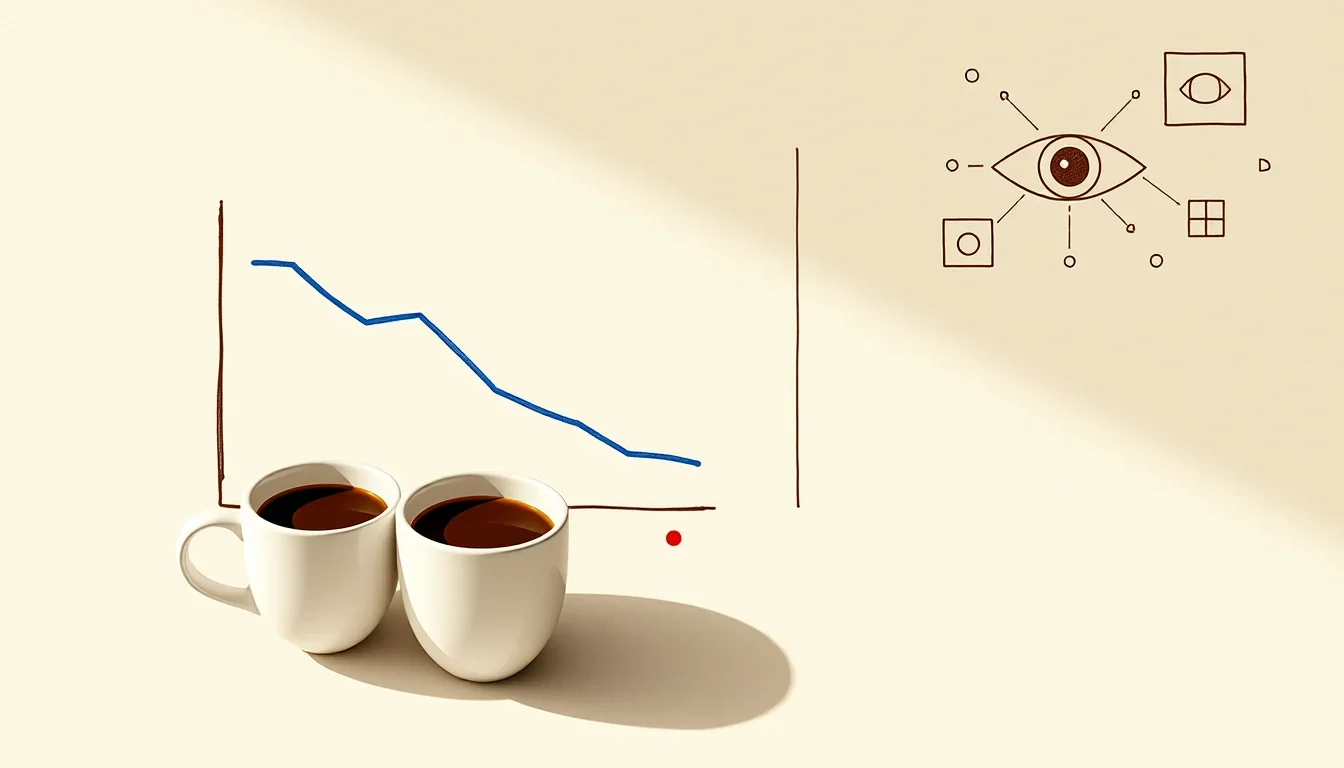
- Among caffeinated coffee lovers, 141 cases of dementia per 100,000 people per year were recorded versus 330 cases among those who drink it rarely or not at all.
- Subjective cognitive decline (complaints about memory and concentration) was reported by 7.8% of regular coffee drinkers versus 9.5% among non-drinkers.
- The optimal dose for maximum effect is strictly 2–3 cups of caffeinated coffee or 1–2 cups of tea per day. Exceeding these amounts provided no additional protection.
- Decaffeinated coffee (decaf) showed no such association, while the protective effect persisted even in people with unfavorable genetic risk.
How Much to Trust This: Methodological Context
Before us is an observational cohort study (longitudinal cohort study). It demonstrates a robust statistical correlation, but not a direct causal link: coffee is not declared a cure for dementia.
Scientists honestly note: differences in lifestyle, diet, and socioeconomic status of coffee lovers could also have influenced the results. Moreover, regarding tea, the study did not separate caffeinated and non-caffeinated beverages.
What This Means for Advertising and Behavioral Marketing
For marketers, these data provide a key to the psychological profile and triggers of consumers focused on self-preservation and longevity. In behavioral science terms, a preventive regulatory focus is activated here.
- Removing the guilt barrier and increasing trust: caffeine is no longer perceived by the 35+ audience as a «bad habit». Positioning the morning ritual as an act of caring for future intellect significantly reduces purchase resistance.
- Value enhancement through biohacking: shifting from the emotional USP «alertness for an hour» to the proven «preserving mental clarity for decades» attracts rational and solvent buyers.
- lifestyle segmentation: tea and coffee audiences require different dosages of meaning. Tea lovers value balance and moderation (1–2 cups), coffee lovers — ritual and productivity (2–3 cups).
How to apply: changing creatives and offers
Use psychological repackaging of arguments in newsletters, advertising, and on landing pages for nutrition products, supplements, coffee shops, and fitness services.
Example 1: Landing page headline for a coffee brand
- Before: «Our strong espresso will energize you from the very morning!»
- After: «Your usual cup of coffee now works for mental clarity: 2 cups a day for focus today and brain health in 20 years».
Example 2: Targeted advertising and triggers
- Before: «Try the new Arabica variety: smooth taste and bright aroma with 15% discount».
- After: «A ritual that protects your intellect. Studies confirm: a moderate dose of quality caffeine supports cognitive health. Choose your single-origin».
If you sell subscriptions or B2B services, frame coffee break culture not as a loss of working time, but as an investment in cognitive productivity and team decision-making accuracy.
Comparative Positioning Matrix
| Parameter | Traditional Marketing | Evidence-based Neuromarketing |
|---|---|---|
| Main Trigger | Explosive charge of vigor and taste | Cognitive longevity and brain care |
| Attitude toward habit | Pleasant weakness, stimulant | Conscious daily health ritual |
| Deep target audience motive | Fatigue compensation («need to wake up») | Investment in mental clarity («preserve intellect») |
Frequently Asked Questions (FAQ)
Does caffeine-free coffee help protect the brain?
According to the study, the decaffeinated drink did not show a similar reduction in dementia risk. Probably, it is the natural caffeine in combination with the antioxidants in the beans that plays a decisive role.
Is it worth drinking more than 4–5 cups for better results?
No, the study recorded a plateau: consuming more than 3 cups per day did not enhance protective markers. For this reason, encouraging the client to «drink more for the benefit» is scientifically incorrect and reduces trust in the brand.
Conclusion
People buy not just a drink or a service, but confirmation of the correctness of their lifestyle. By turning the audience’s habitual ritual into a scientifically grounded self-care tool, you will build long-term customer loyalty without manipulation and empty promises.
Test new hypotheses in texts and creatives today: update the company’s communication strategy and assess the response of a conscious audience to evidence-based triggers.
Source ScienceDaily: Neuroscience ↗