Breakthrough in Oncology: How «Smart» Cells Destroy Brain Tumors
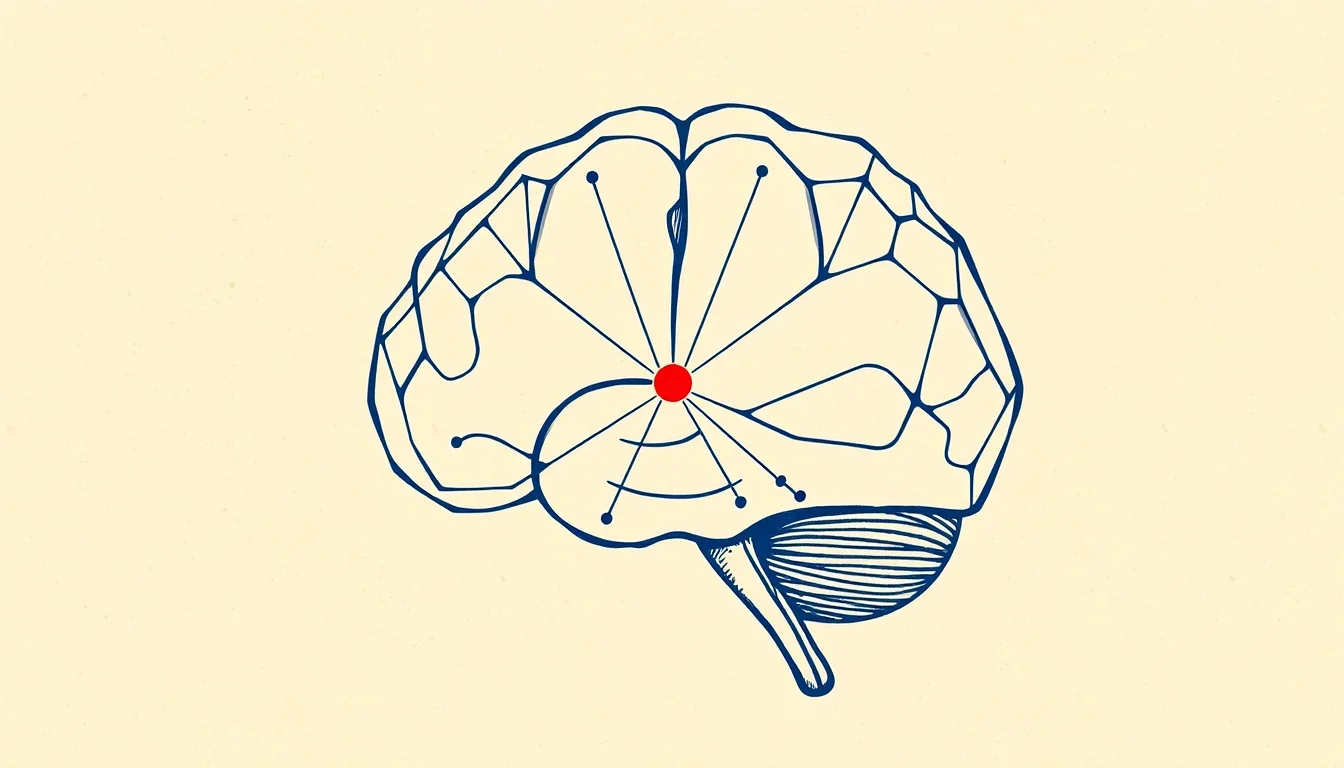
The development of the innovative B-SYNC CAR-T therapy, aimed at fighting brain tumors, represents not only a breakthrough in medicine but also a brilliant case study for examining psychology of influence and targeted impact strategies. Scientists from the University of California, San Francisco (UCSF) have created a method that activates immune cells exclusively upon entering the target environment, which has allowed for the complete elimination of an aggressive form of childhood brain cancer in laboratory mice. This success opens new horizons not only for oncology but also for understanding how highly effective communication systems work.
What Researchers Discovered
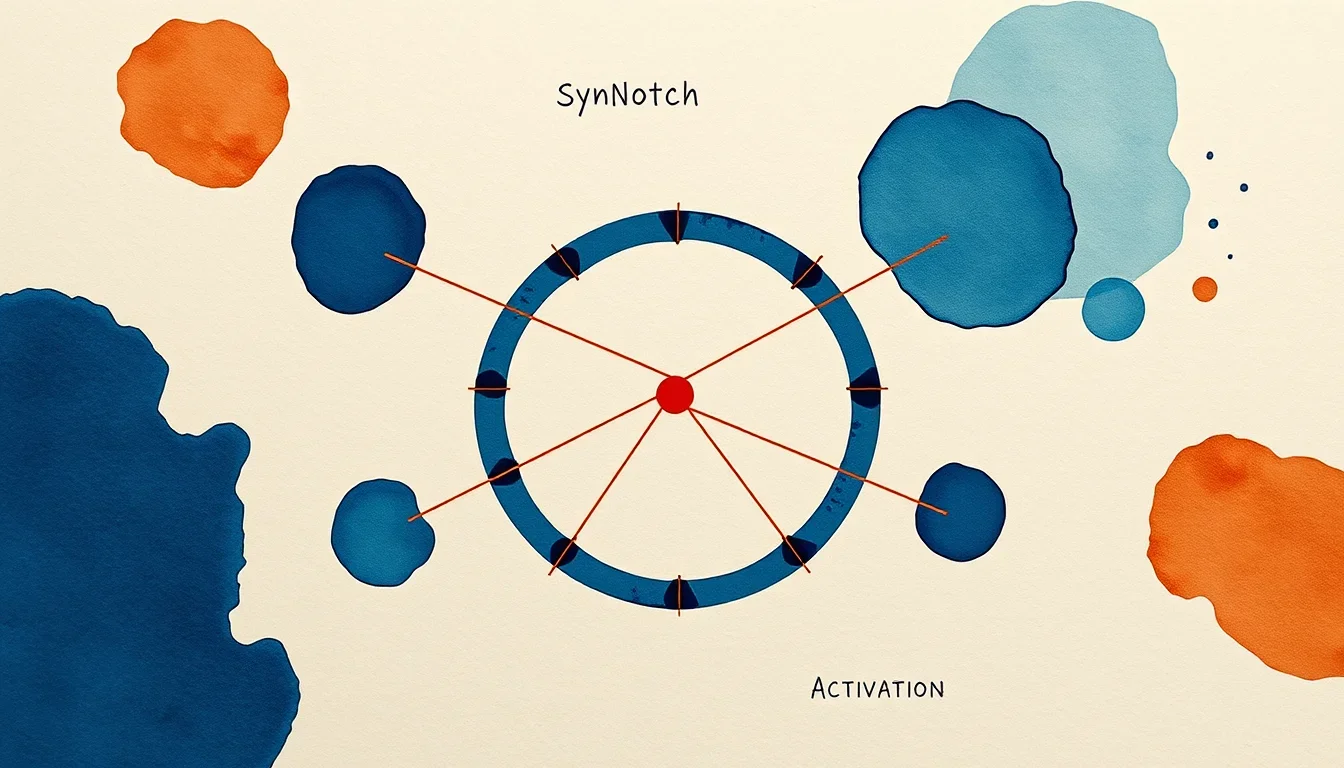
The study, published in the journal Science Translational Medicine, describes a revolutionary approach to the therapy of diffuse midline glioma (DMG) — one of the most difficult-to-treat types of cancer in children. The team led by Hideho Okada and Wendell Lim developed CAR-T cells that use the protein brevican, a natural component of brain tissue, as a «molecular switch.»
Key Advantages of the Method
- Targeted Activation: Immune cells remain inactive in the blood and healthy organs, which radically minimizes side effects.
- High Efficiency: In mouse experiments, the therapy led to a 100% cure rate for DMG tumors.
- Long-term Protection: The modified cells continued to «patrol» the body for more than 70 days, preventing relapses even upon reintroduction of cancer cells.
How Much to Believe This
It is important to remember that this work is a preclinical study. Although the results are impressive, the path from a laboratory model to clinical practice requires time and thorough verification. The study demonstrates the high precision of the synNotch «molecular switch» mechanism, which effectively reduces the risk of immune cell exhaustion. Nevertheless, safety and efficacy for humans will only be confirmed during clinical trials scheduled for 2027.
What This Means for Technology Marketing
Although medicine and marketing operate in different spheres, the logic of B-SYNC’s success is applicable to the promotion of complex innovative products:
- Contextual Relevance: The success of the therapy is based on the fact that «activation» occurs only at the right time and in the right place. In marketing, this is called hyper-personalization — the offer must perfectly match the user’s context.
- Overcoming trust barriers: Using a «safe» signal (the brevican protein) allowed the cells to bypass the tumor’s natural defense mechanisms. This is a clear example of how using patterns familiar to the audience helps implement innovative ideas without rejection.
How to Apply Research Principles in Business
The UCSF scientists’ methodology teaches us to create more effective audience engagement strategies:
- Segment Triggers: Stop sending generic offers. Use behavioral triggers to activate advertising communication only when the user is ready to purchase.
- Avoid Audience «Exhaustion»: Just like with CAR-T cells, excessive exposure (advertising noise) leads to «immunity» and brand ignoring. Adjust the frequency of display to maintain the functionality of your message.
- Test «Environment Entry»: Analyze through which communication channel your content is read best to deliver value as organically as possible.
| B-SYNC Principle | Marketing Analogy |
|---|---|
| Molecular switch | Behavioral trigger |
| Minimization of side effects | Reduction of advertising noise |
| Long-term protection | LTV and customer retention |
Frequently Asked Questions
Why didn’t regular CAR-T therapy work with glioma?
Traditional methods often led to excessive activation of immune cells throughout the entire body, causing serious side effects and cell exhaustion before they reached their target.
When will human trials begin?
According to the UCSF team’s plans, the first clinical trials may start in April 2027.
What is the main innovation of B-SYNC?
It is the ability to «feel» the specific environment of the brain and activate the fight against cancer only in the affected area, leaving healthy tissues untouched.
Conclusion
The UCSF study proves that precision is more important than aggressive impact. In business, as in oncology, the winner is the one who knows how to deliver value precisely to the target without wasting resources. If you want your advertising campaigns to work with the same surgical precision, it is time to calculate an optimal strategy at RGB-Analytics and take your marketing to a new level of efficiency.
Source ScienceDaily: Perception ↗